August 11, 2026
Your heating and cooling system works hard throughout the year to keep your home comfortable in every season. Like any major mechanical system, it requires regular maintenance to continue operating efficiently and reliably. A professional tune-up helps identify worn components, improve system performance, and reduce the likelihood of unexpected breakdowns. Many homeowners wait until their equipment develops noticeable problems before scheduling service, but preventative maintenance often helps avoid more costly repairs later. Understanding what happens during a tune-up can help you appreciate the value of routine system care. Working with an experienced HVAC contractor ensures your equipment receives a thorough inspection and appropriate maintenance. Knowing what to expect also allows homeowners to prepare for the appointment and ask informed questions. Here is a closer look at what typically takes place during a professional HVAC tune-up.
Inspect the Entire HVAC System
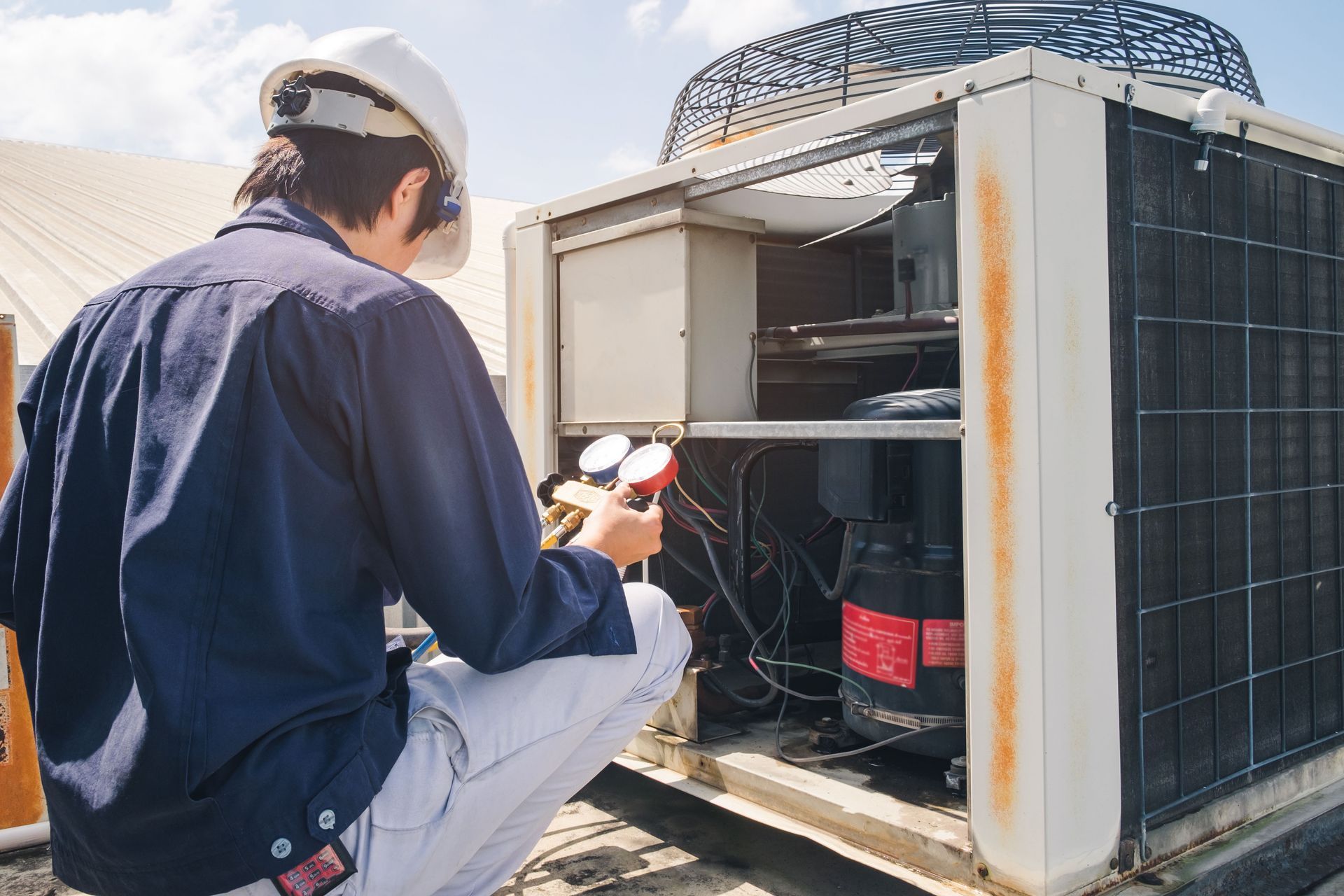
A complete inspection is one of the first steps during a professional tune-up. Technicians examine the heating and cooling equipment to identify signs of wear, damage, or developing mechanical issues. Components such as the blower assembly, electrical connections, motors, belts, and safety controls are carefully evaluated. The technician also checks for loose parts, corrosion, or anything that could affect reliable operation. Early detection allows small concerns to be addressed before they become larger repair projects. Every system is different, so the inspection is tailored to the equipment installed in the home. An experienced HVAC contractor understands how each component works together to support overall system performance. A detailed inspection provides a solid foundation for the remainder of the maintenance visit.
Clean Important System Components
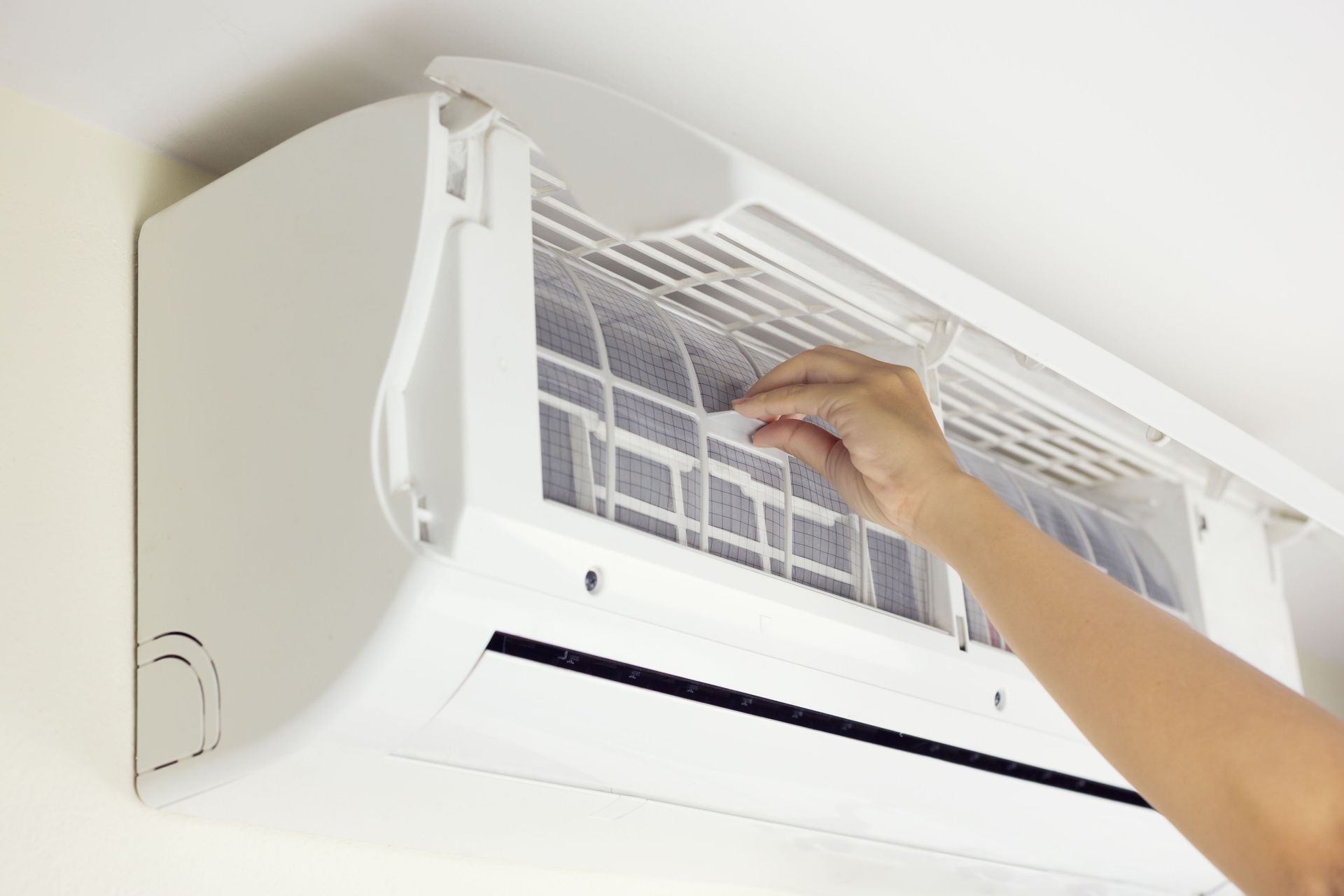
Dust, dirt, and debris naturally accumulate inside heating and cooling equipment over time. Dirty components force the system to work harder, reducing efficiency and increasing energy consumption. During a tune-up, technicians clean critical areas such as the blower assembly, evaporator components, condenser areas, and accessible internal parts when needed. Air filters are also inspected and replaced or cleaned if necessary, depending on the type of filter being used. Keeping these components clean supports proper airflow and helps maintain consistent indoor temperatures. Regular cleaning can also reduce unnecessary strain on mechanical parts. An HVAC contractor performs these tasks carefully to avoid damaging sensitive equipment. Cleaner components contribute to improved system performance and longer equipment life.
Check Electrical Connections Carefully
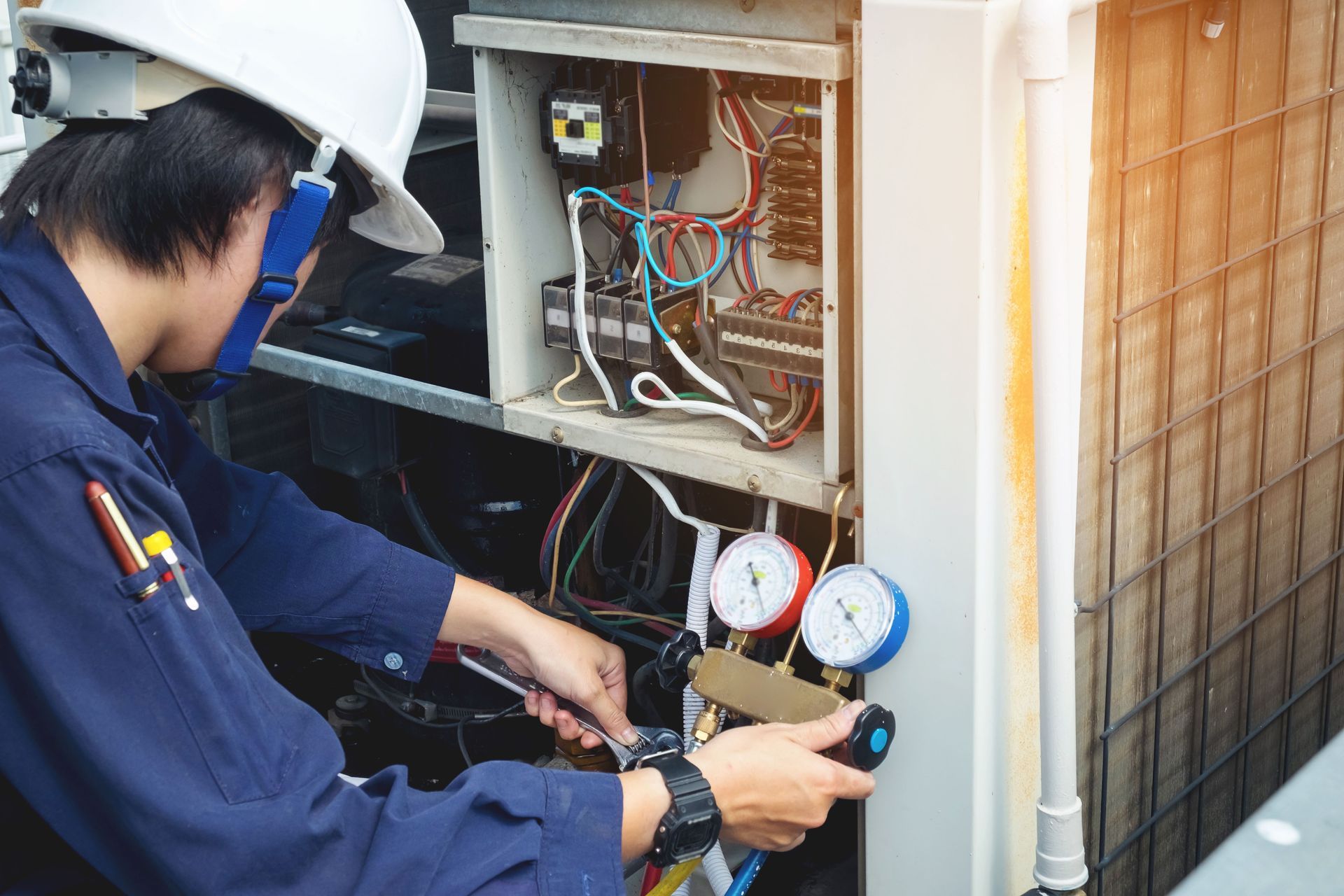
Modern HVAC systems rely on numerous electrical components to operate safely and efficiently. Loose wiring, worn connections, or damaged electrical parts can lead to poor performance or unexpected system failures. During a professional tune-up, technicians inspect electrical terminals, wiring, capacitors, relays, and other important electrical components. Tightening loose connections and identifying signs of wear helps reduce the risk of future problems. Electrical inspections also contribute to the safe operation of the equipment. Small electrical concerns can become much more serious if they remain unaddressed for extended periods. An HVAC contractor has the training to evaluate these systems safely and accurately. Routine inspections help improve reliability while supporting long-term system performance.
Test Heating and Cooling Performance
A professional tune-up includes testing how the system performs during normal operation. Technicians verify that the equipment starts properly, cycles correctly, and reaches the desired temperature efficiently. Airflow, thermostat operation, and temperature output are evaluated to confirm the system is functioning as expected. Any unusual noises, vibrations, or inconsistent performance can provide clues about developing mechanical concerns. According to IBISWorld, the U.S. has approximately 120,000 businesses operating within the heating and air-conditioning contractors industry, reflecting the widespread availability of professional HVAC services for homeowners. Performance testing allows technicians to identify areas where adjustments may improve overall efficiency. Small operational changes can often enhance comfort while reducing unnecessary energy use. Thorough testing helps ensure the system is prepared for the demands of the upcoming season.
Examine Refrigerant and Airflow Levels
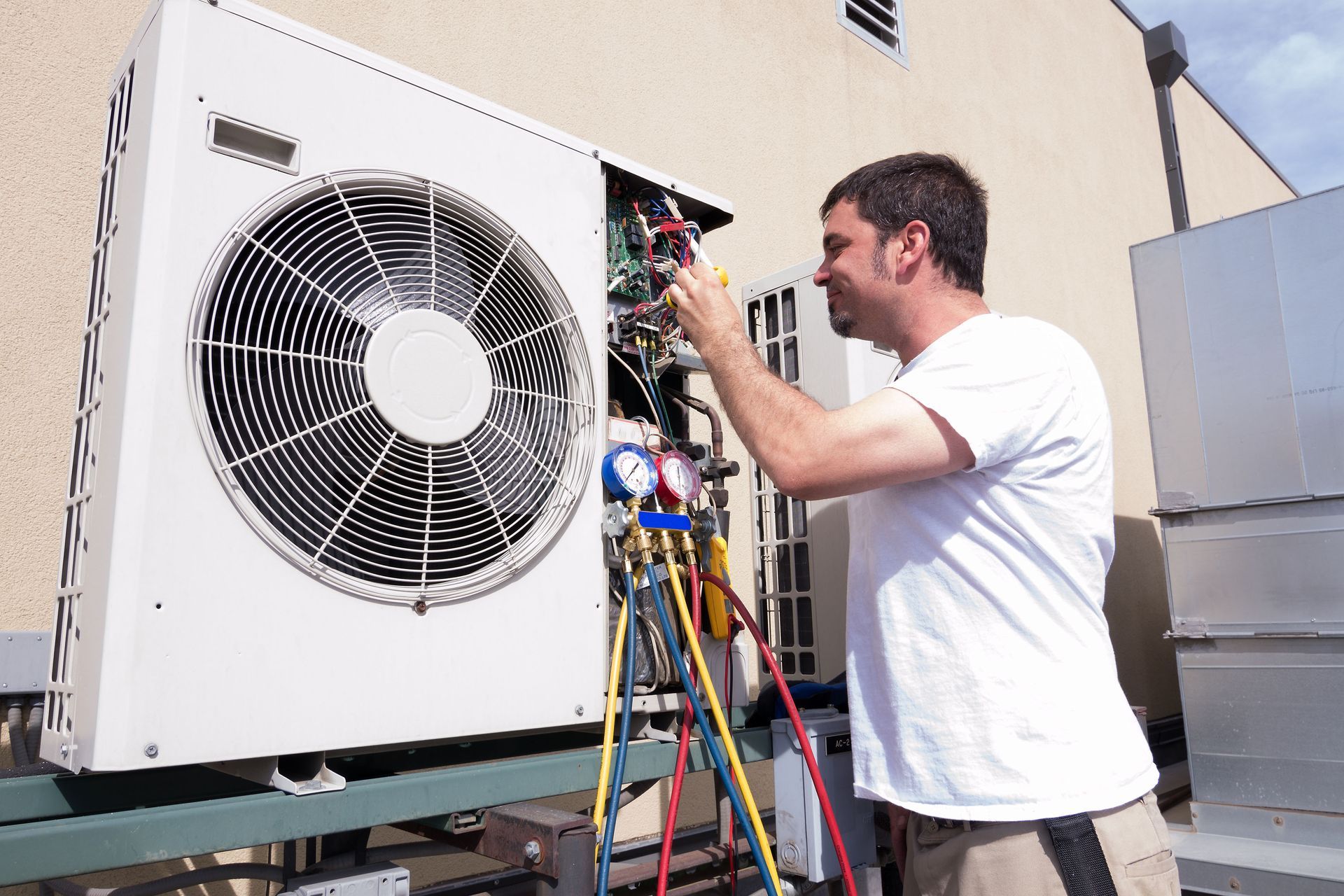
Proper airflow and refrigerant levels play an important role in the efficiency of air conditioning systems. Restricted airflow can reduce cooling performance while increasing strain on system components. Technicians inspect vents, registers, and other accessible airflow pathways to identify possible obstructions. Refrigerant-related concerns may also be evaluated according to the equipment and service requirements. Low refrigerant levels or airflow restrictions can affect both comfort and operating efficiency. Identifying these issues during a routine tune-up helps prevent reduced performance during periods of heavy use. An HVAC contractor can recommend any additional service needed if problems are discovered during the inspection. Maintaining proper airflow supports consistent indoor comfort throughout the home.
Verify Safety System Operation
Safety features are essential components of every heating and cooling system. During a tune-up, technicians inspect safety controls designed to protect both the equipment and the occupants of the home. Depending on the type of system, these checks may include evaluating limit switches, safety shutoffs, ignition components, or other protective devices. Proper operation helps reduce the risk of equipment damage and supports safe daily performance. Identifying worn or malfunctioning safety components before they fail contributes to dependable operation. Homeowners often overlook these systems because they operate automatically behind the scenes. An HVAC contractor understands how these protective devices function and verifies that they are operating correctly. Routine safety inspections provide valuable peace of mind throughout the heating and cooling seasons.
Review Maintenance Recommendations
Every HVAC system has unique maintenance requirements based on its age, condition, and usage. At the conclusion of a tune-up, technicians often discuss their findings and explain any recommendations for future service. They may identify worn components that should be monitored or replaced before they affect system performance. Homeowners also receive guidance on changing air filters, maintaining airflow, and recognizing early warning signs of potential problems. Understanding these recommendations helps property owners make informed maintenance decisions throughout the year. Preventative maintenance often reduces the likelihood of emergency repairs and unexpected system failures. An HVAC contractor can answer questions about system operation and suggest practical ways to improve efficiency. Ongoing maintenance planning helps extend equipment life while supporting reliable comfort.
A professional tune-up can also contribute to healthier indoor air by ensuring the HVAC system is operating as efficiently as possible. During maintenance, technicians inspect air filters and check for dirt or debris that may affect airflow throughout the home. Clean components help reduce the circulation of dust and other airborne particles that can accumulate inside the system over time. Proper airflow also allows the HVAC system to distribute conditioned air more effectively to each room.
Schedule Regular Tune-Ups Every Year
Consistent maintenance is one of the best ways to protect your heating and cooling investment. Scheduling annual tune-ups allows technicians to identify developing concerns before they become major repair issues. Regular service also helps maintain efficiency, improve indoor comfort, and support dependable equipment operation during periods of heavy demand. Homeowners who stay current with maintenance often experience fewer unexpected breakdowns throughout the year. Routine inspections create opportunities to address small issues before they affect multiple system components. Preventative care also contributes to more predictable operating costs over the long term. An HVAC contractor can develop a maintenance schedule that matches your equipment and household needs. Investing in regular tune-ups helps your HVAC system continue performing efficiently for many years.
Regular maintenance is an important part of keeping your heating and cooling system operating at its best. Air Specialty Heating & Air Conditioning provides professional HVAC tune-up services designed to improve performance, identify potential issues, and help extend the life of your equipment. Contact us today to schedule a professional tune-up and keep your home comfortable throughout every season.