September 15, 2026
In the height of summer, a sudden cooling failure can quickly turn a comfortable home into an unbearable environment. Beyond the immediate loss of comfort, an emergency system breakdown leads to unexpected expenses that strain household budgets. Taking proactive maintenance steps keeps your cooling equipment operating smoothly while dramatically lowering the risk of sudden mechanical failure during severe heatwaves.
Understanding how cooling equipment operates enables you to recognize minor issues before they turn into major structural problems. Simple routine habits, combined with professional oversight, keep every component functioning at peak operational performance. By focusing on simple preventive measures, avoiding unexpected air conditioning repairs becomes a manageable and straightforward part of routine home maintenance.
Schedule Regular Professional Maintenance
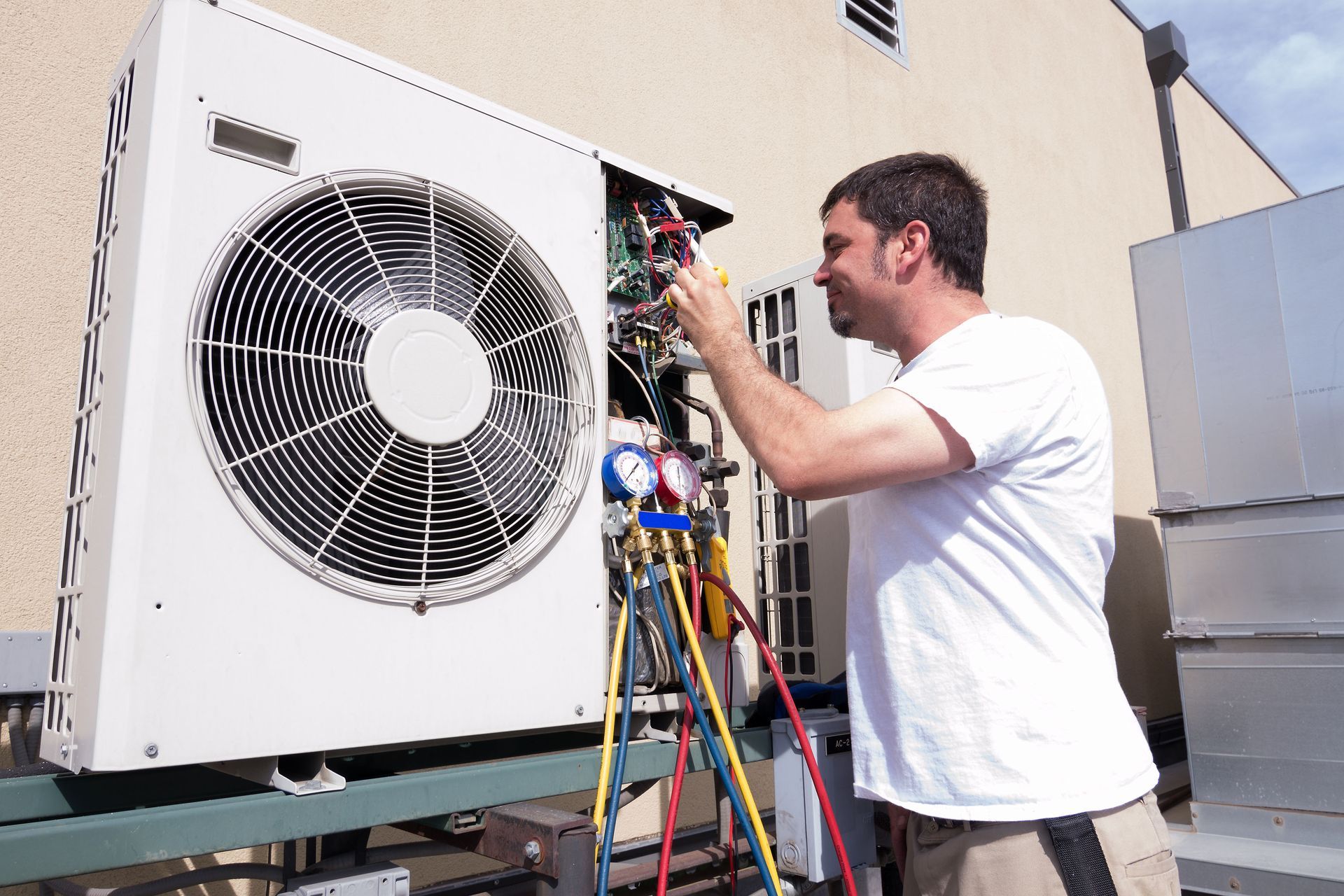
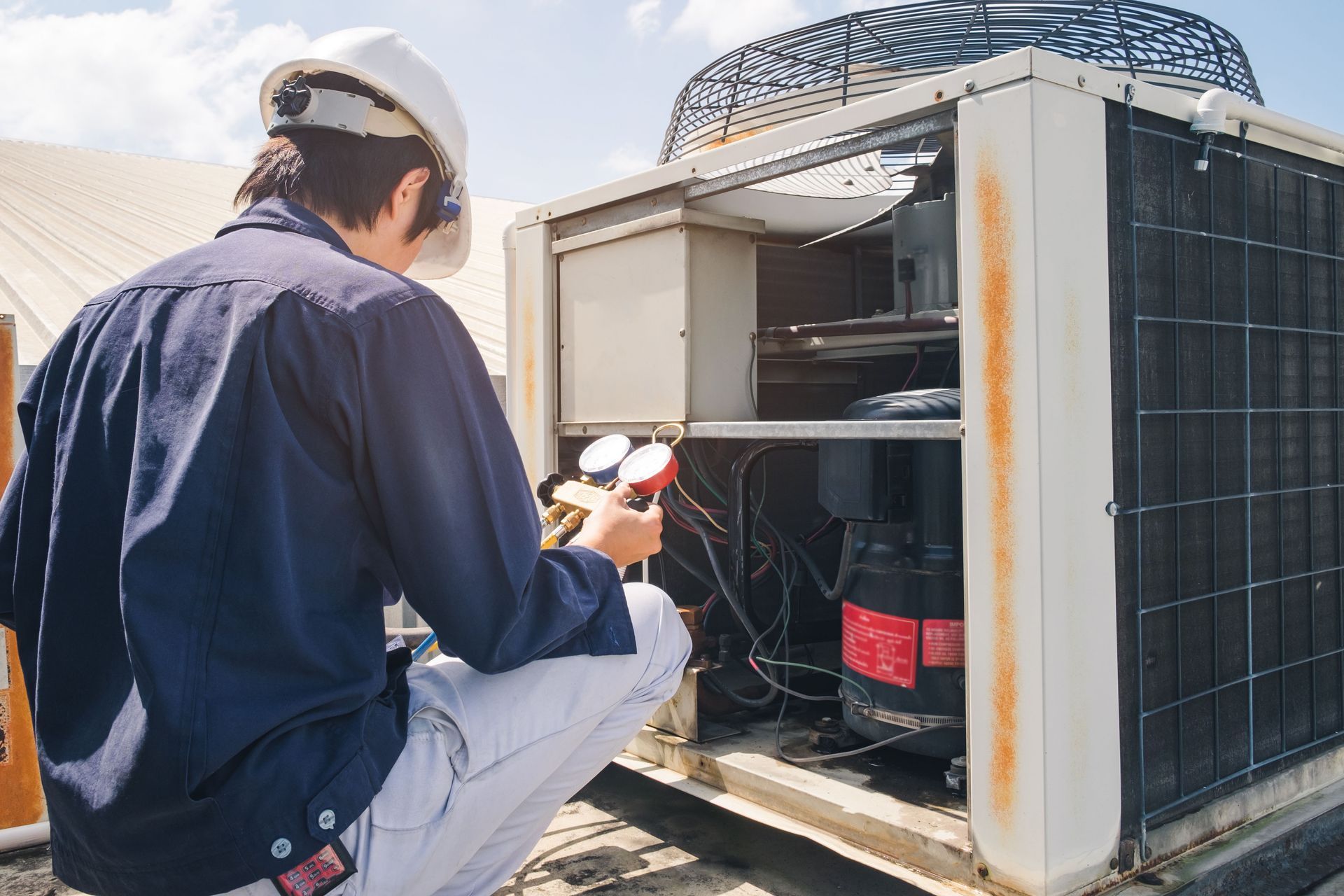
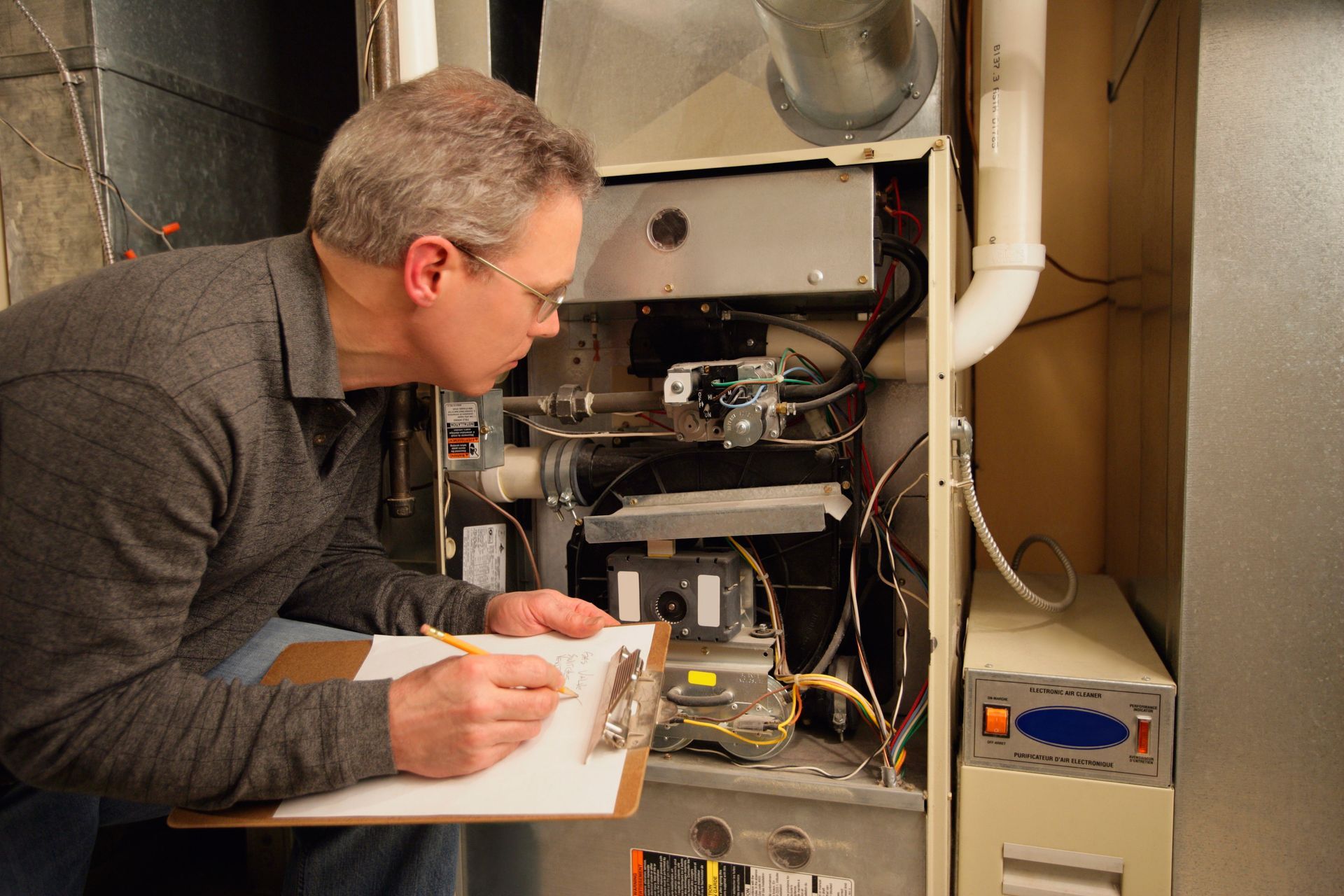
Routine maintenance and systematic inspections are essential for keeping cooling units running at maximum efficiency. Over months of continuous operation, electrical connections can loosen, moving parts lose lubrication, and coils collect dust. A qualified technician systematically inspects these vital components, ensuring everything operates within safe parameters. Addressing minor mechanical wear during scheduled tune-ups prevents minor faults from escalating into catastrophic equipment failures during peak usage periods.
Staying ahead of mechanical wear is crucial because cooling equipment represents a major portion of overall home service needs. Data shows that cooling units demand significant attention, as according to Industry Research, nearly 54% of service calls for heating and cooling systems involve air conditioning equipment. Professional inspections identify early signs of component degradation, such as leaking refrigerant or failing capacitors. Resolving these issues early preserves overall system health and helps prevent costly air conditioning repairs over time.
Establishing a consistent service schedule ensures your cooling system receives timely attention before seasonal demand spikes. Homeowners should schedule comprehensive professional checkups before the start of the summer cooling season. Regular service also helps maintain manufacturer warranty coverage, which often requires documented proof of routine professional maintenance. Following a structured inspection routine guarantees operational reliability, optimizes energy consumption, and provides lasting peace of mind throughout the summer.
Optimize Daily Thermostat Settings
Managing thermostat settings efficiently balances indoor comfort with overall mechanical strain on your unit. Setting the thermostat to a moderate temperature prevents the cooling compressor from running continuously during peak afternoon heat. When a system runs non-stop, internal components experience excessive friction, thermal buildup, and accelerated wear. Maintaining a consistent, reasonable temperature baseline reduces system workload and preserves operational efficiency throughout the summer.
Upgrading to a programmable or smart thermostat offers automated temperature adjustments tailored to your family's daily routine. Raising the temperature slightly when the house is unoccupied reduces unnecessary runtime without sacrificing indoor comfort when you return. Smart thermostats also provide detailed energy usage reports, helping homeowners identify operational inefficiencies or sudden changes in cooling performance. Utilizing these intelligent controls optimizes energy consumption and prevents unnecessary mechanical stress on key equipment components.
Avoiding drastic manual temperature adjustments protects delicate internal control boards and electrical contactors from sudden voltage surges. Gradual adjustments allow the system to cool living spaces evenly without forcing the compressor into prolonged high-output cycles. Smooth, consistent operation protects motor health, maintains stable indoor humidity levels, and aids in reducing the need for emergency air conditioning repairs. Thoughtful thermostat management remains one of the simplest ways to lower utility costs.
Upgrade Aging System Components
Monitoring key performance indicators helps homeowners detect system degradation long before total equipment failure occurs. Symptoms like unusual grinding sounds, short-cycling, or inconsistent airflow indicate that internal parts are undergoing stress. Replacing worn fan belts, aging capacitors, or weak fan motors promptly prevents secondary damage to expensive components like the compressor. Proactive part replacement keeps the unit operating cleanly and extends the total service life of the system.
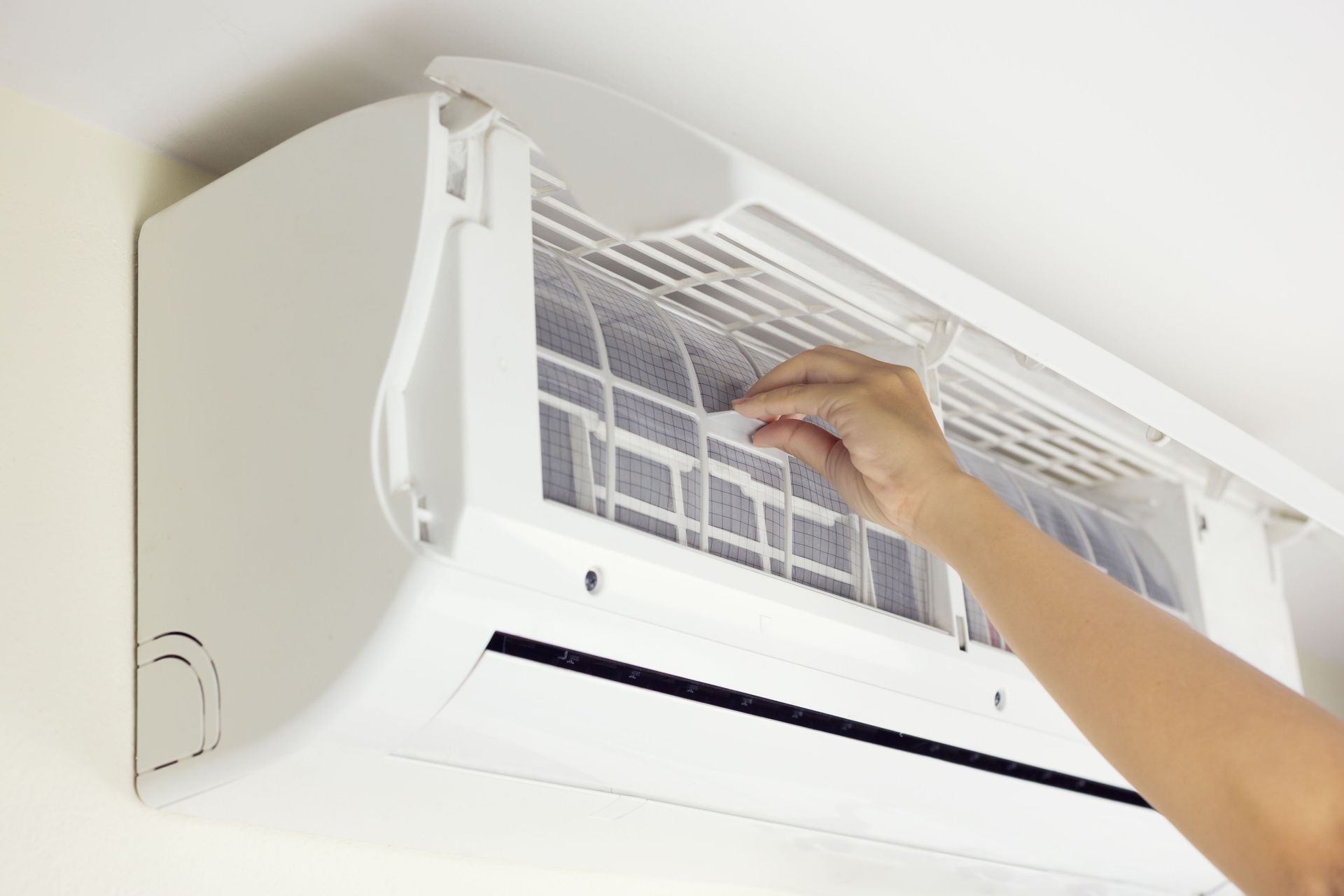
High-efficiency air filters play a crucial role in safeguarding internal mechanics from airborne dust and debris accumulation. Clogged filters restrict airflow, forcing fan motors to work harder while causing evaporator coils to freeze over. Replacing air filters regularly ensures unrestricted airflow, improves indoor air quality, and prevents unnecessary strain on the entire blower assembly. Quality filter management is a simple, cost-effective step that protects sensitive components from premature wear and strain.
Integrating modern diagnostic sensors into your system setup provides real-time monitoring of operational health. These advanced tools alert homeowners to performance drops, filter clogs, or refrigerant pressure changes before major breakdowns occur. Addressing minor component wear immediately preserves system efficiency, protects delicate internal mechanisms, and helps minimize surprise air conditioning repairs. Investing in timely component upgrades ensures long-term operational resilience and consistent cooling performance.
Seal Home Air Leaks
Proper home insulation and airtight ductwork prevent cooled air from escaping before reaching living areas. When ductwork suffers from cracks or unsealed joints, conditioned air escapes into unconditioned spaces like attics or crawlspaces. This loss forces the cooling unit to run longer cycles to reach the desired thermostat setting, causing excessive wear on mechanical parts. Sealing duct connections keeps cooling distribution efficient and ensures balanced temperatures across every room.
Enhancing building envelope seals around doors, windows, and structural penetrations drastically reduces total heat gain. Using weatherstripping and caulk closes gaps that allow humid, warm outdoor air to infiltrate living spaces. Minimizing heat infiltration reduces the thermal load on your cooling system, allowing it to cool the home faster with less energy expenditure. A well-sealed building envelope keeps interior temperatures stable while minimizing operational stress on the cooling equipment.
Complementing duct sealing with proper attic insulation prevents thermal energy from radiating downward into living areas during peak sunshine hours. Effective thermal barriers keep homes naturally cooler, reducing overall runtime for the air conditioner. Lowering the daily workload on internal motors preserves mechanical integrity, lowers monthly energy bills, and helps homeowners avoid major air conditioning repairs. Structural efficiency works hand in hand with mechanical health to ensure reliable indoor comfort.
Protect Outdoor Cooling Equipment
The outdoor condenser unit requires adequate physical clearance to exhaust absorbed indoor heat into the atmosphere efficiently. Clearing away tall grass, shrubs, leaves, and garden debris from around the unit maintains unrestricted airflow across the condenser coils. Blocked airflow causes heat to accumulate within the cabinet, forcing the compressor to operate at elevated temperatures and pressures. Maintaining a clear perimeter around the outdoor cabinet prevents overheating and protects internal refrigeration components.
Strategic landscaping offers natural shade that lowers ambient air temperatures surrounding the outdoor condenser unit. Planting shade trees or installing decorative awnings blocks direct solar radiation without obstructing essential ventilation pathways. Lower ambient temperatures around the cabinet make heat exchange easier, allowing the unit to cool your home using less electrical power. Combining functional landscape design with equipment protection reduces mechanical strain and enhances overall seasonal efficiency.
Cleaning the outdoor condenser coils regularly removes accumulated dirt, pollen, and mud that hinder heat transfer. Homeowners can gently spray the exterior fins with a garden hose to clear away surface buildup that restricts airflow. Keeping condenser fins clean ensures efficient heat dissipation, maintains optimal system pressure, and protects your budget from sudden air conditioning repairs. Caring for outdoor equipment preserves system reliability and prevents costly mid-summer service interruptions.
Protecting your home cooling system requires a blend of routine maintenance, smart thermostat practices, and timely equipment care. Taking preventive action keeps energy bills manageable and ensures continuous comfort through intense heatwaves.
Taking proactive control of your cooling system prevents unnecessary air conditioning repairs before summer hits. Reach out to us at Air Specialty Heating & Air Conditioning today to schedule your seasonal maintenance and keep your system running smoothly.