May 8, 2026
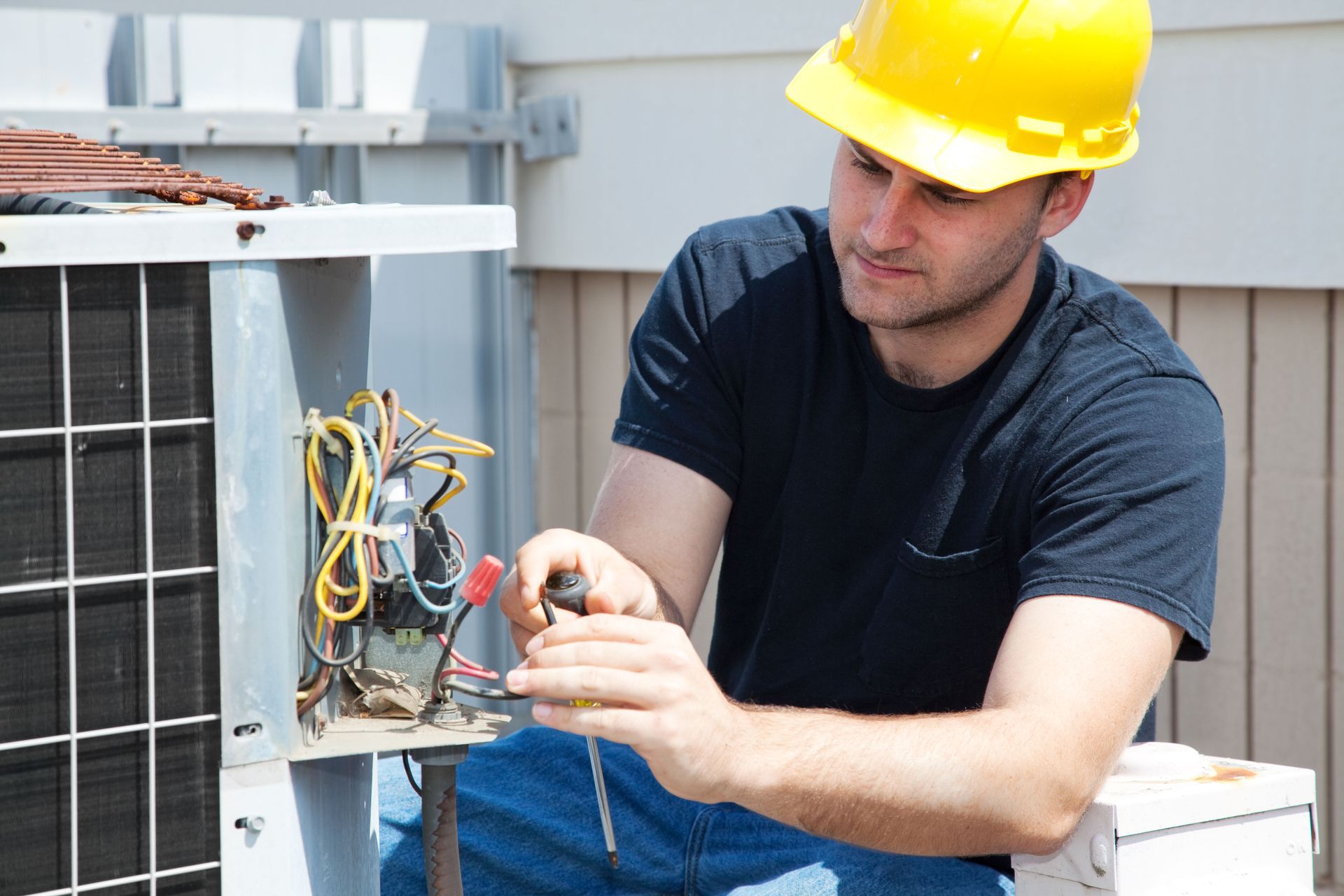
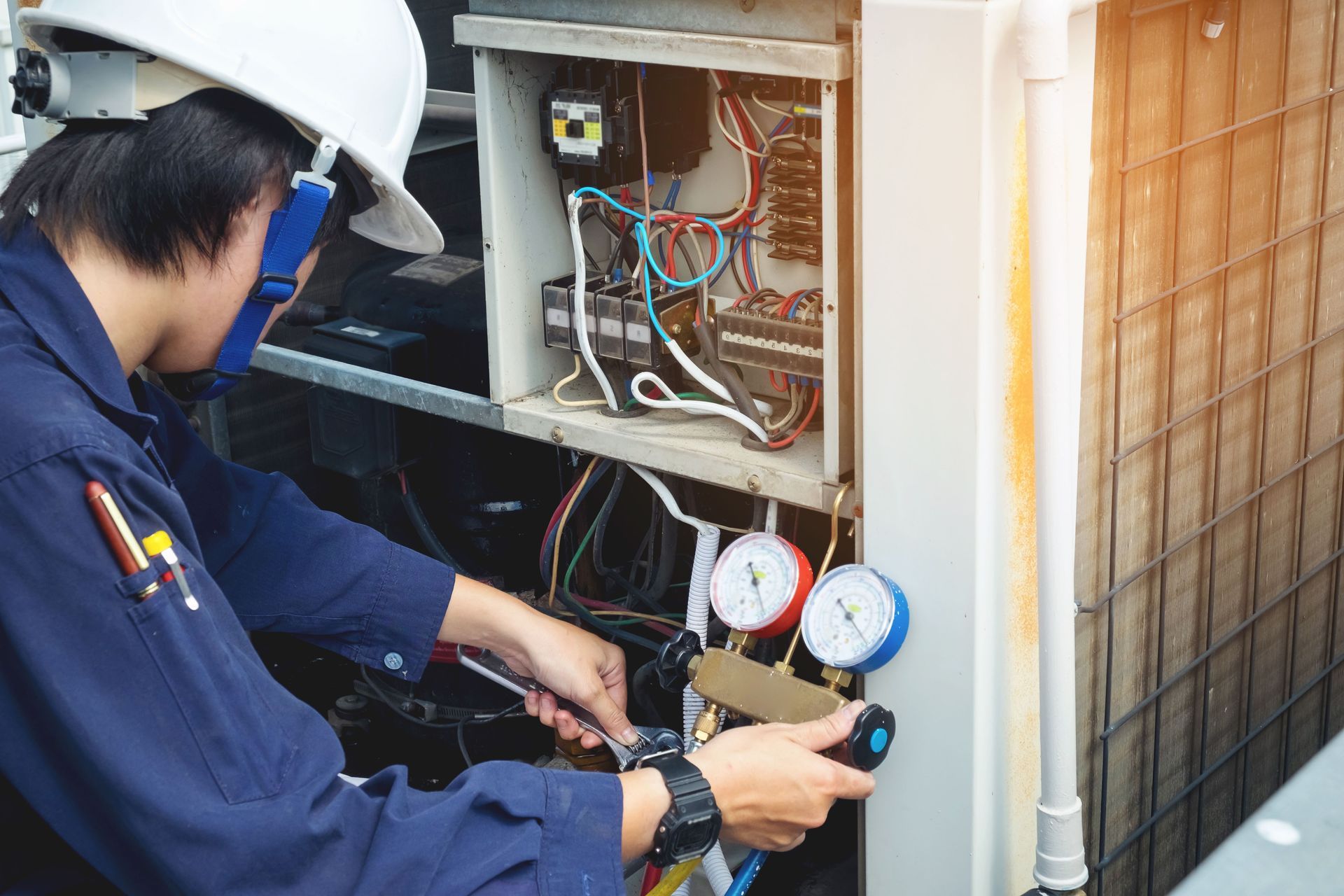
The connection between data security and climate control systems is becoming increasingly significant in our modern world. As high-tech systems become more integrated with digital networks, they can inadvertently become entry points for cyber threats. While modern setups allow for remote management and high efficiency, they also require a dedicated HVAC contractor to ensure that the hardware is maintained without compromising the network. This relationship highlights the need for a comprehensive approach where physical climate control and digital protection work in harmony to maintain a safe environment.
The Development of Climate Technology in a Connected World
Climate control technology has progressed immensely over the last several decades, moving from basic mechanical systems to highly complex digital frameworks. Today, a qualified HVAC contractor often works with systems that feature advanced automation and precise sensors. These improvements have led to better energy savings and more comfortable living spaces, but they also mean that the equipment is now part of the broader IT landscape. This evolution requires a shift in how we view maintenance and installation, moving beyond simple repairs to include an understanding of how these units interact with home and business networks.
The Role of Networked Devices in Modern Temperature Control
The rise of the Internet of Things has changed how we manage our indoor environments by allowing different devices to communicate across a single network. This connectivity provides a professional HVAC contractor with real-time data that can be used for predictive maintenance and better system performance. However, every connected device represents a potential vulnerability if not managed correctly. Ensuring that these systems are updated and behind secure firewalls is a necessary step in maximizing the benefits of smart technology while keeping sensitive information away from unauthorized parties.
Energy Efficiency and the Global Impact of Cooling
Modern cooling systems are vital for the infrastructure of the digital age, particularly when it comes to supporting large-scale servers and data storage. According to FieldEx, nearly 1.5% of the total electricity used across the globe for data centers is caused by the heavy demands of cooling hardware. This statistic emphasizes why a skilled HVAC contractor is essential for optimizing these systems to be as efficient as possible. By reducing energy waste, businesses can lower their carbon footprint while ensuring that the hardware remains at the ideal temperature to prevent data loss or system crashes.
Addressing Common Vulnerabilities in Smart Systems
Smart temperature control systems offer incredible convenience, but they do come with unique challenges that require the attention of an HVAC contractor. One of the primary risks involves unauthorized access to the network through a wirelessly connected thermostat or control panel. Because these devices often use the same Wi-Fi as personal computers and servers, a breach in one can lead to a breach in the other. It is vital to use strong authentication methods and to separate these devices onto their own sub-networks whenever possible to mitigate these specific risks.
Integrating Climate Control with Information Technology
The merging of temperature control and IT infrastructure means that these two departments must now work closely together. When a business hires an HVAC contractor to install a new commercial system, that professional must coordinate with the IT team to ensure the new equipment does not create a security hole. This collaboration allows for centralized management and better operational monitoring. By aligning the security protocols of both the HVAC hardware and the digital servers, an organization can create a much more resilient defense against potential cyber incidents.
The Impact of Digital Changes on Professional Services
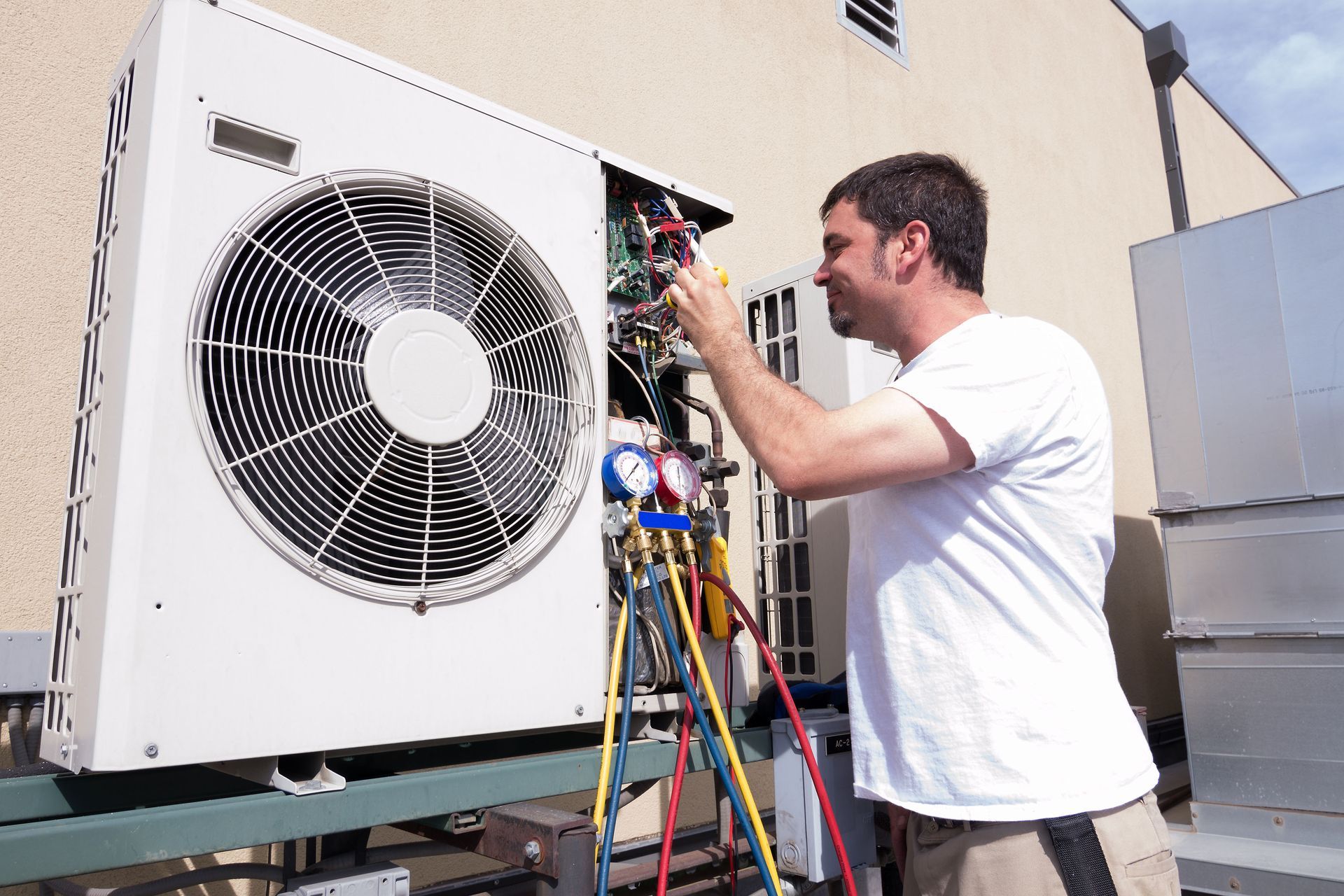
Digital transformation has redefined what it means to provide high-quality environmental services. An HVAC contractor now uses software to run diagnostics and check for leaks or inefficiencies before they become major problems. While this shift toward digital solutions has made services more reliable, it has also increased the need for strict data protocols. Using these tools allows for a much higher level of precision in climate control, which ultimately leads to a better experience for the end user while maintaining the integrity of the underlying digital system.
Why Digital Safety is Essential for Climate Systems
Protecting data is no longer just the job of a software developer; it is a priority for every HVAC contractor who installs smart equipment. These systems often store operational data and user preferences that could be exploited if they fall into the wrong hands. Neglecting the digital side of these systems can lead to operational downtime or even financial loss. Integrating basic cybersecurity practices into the installation and maintenance of these units is a smart way to ensure that the comfort of a building is never compromised by a digital threat.
Potential Risks in Interconnected Cooling Units
Because interconnected cooling units are more complex than older models, they offer more points of access for malicious actors. A proactive HVAC contractor will identify these potential weak spots during a routine inspection. If a system is not properly secured, an intruder could theoretically change the temperature settings to cause hardware overheating or system failure. Regular monitoring and staying current with the latest software updates are the best ways to close these gaps and keep the entire system running smoothly without any external interference.
Lessons from Previous Digital Security Incidents
Historical data breaches have shown that even large retailers can be vulnerable through their third-party connections, including climate control vendors. These incidents serve as a reminder for every HVAC contractor to follow strict access guidelines when working on a client's network. By learning from these past events, professionals can implement better defensive strategies, such as using encrypted communication and multi-factor authentication. Taking these extra steps ensures that the installation of a new furnace or air conditioner does not become a liability for the property owner.
The Importance of Compliance and Industry Standards
Meeting industry regulations is a key part of the job for a modern HVAC contractor. Many regions now have specific standards regarding how digital devices must be secured to protect consumer privacy. Following these guidelines is not just about avoiding penalties; it is about providing the best possible service to the customer. When an organization stays compliant with data protection laws, it demonstrates a commitment to the safety and well-being of its clients, ensuring that all installed systems meet the highest levels of digital and physical reliability.
Best Practices for Maintaining Secure Data
Securing the data generated by climate control systems involves a combination of hardware and software solutions. An HVAC contractor can help by ensuring that all equipment is running the latest firmware and that any default passwords have been changed to something more secure. Additionally, using data encryption for any information transmitted between the unit and a mobile app adds an extra layer of defense. These simple yet effective practices are instrumental in creating a stable and safe environment for both residential and commercial users.
Professional Collaboration for Total System Security
The most successful security strategies are built on collaboration between different types of professionals. When an HVAC contractor and an IT specialist work together, they can address the physical and digital aspects of a building's infrastructure simultaneously. This team-based approach allows for a more thorough assessment of risks and the implementation of more effective safeguards. By sharing knowledge and resources, these professionals ensure that the climate control system remains a functional and secure part of the overall building management strategy.
Understanding the intersection of technology and climate control is essential for any modern property owner. By working with a dedicated HVAC contractor, you can enjoy all the benefits of a high-tech, energy-efficient system without worrying about the digital risks. These professionals provide the necessary oversight to keep your environment comfortable and your data safe through careful installation and ongoing maintenance. For those looking for dependable and secure environmental solutions, reach out to Air Specialty Heating & Air Conditioning today.