March 12, 2026
Discovering what HVAC companies know can transform how you maintain comfort and efficiency in your home. From unknown energy-saving tips to the intricacies of air quality, your local HVAC company has a wealth of knowledge ready to be uncovered. This article explores six unexpected insights that can significantly impact your home environment. You will find that such knowledge not only improves your quality of life but also can lead to substantial financial savings. Each section provides practical information you can implement to harness the full potential of your HVAC system.
Energy Efficiency is More Accessible Than You Think
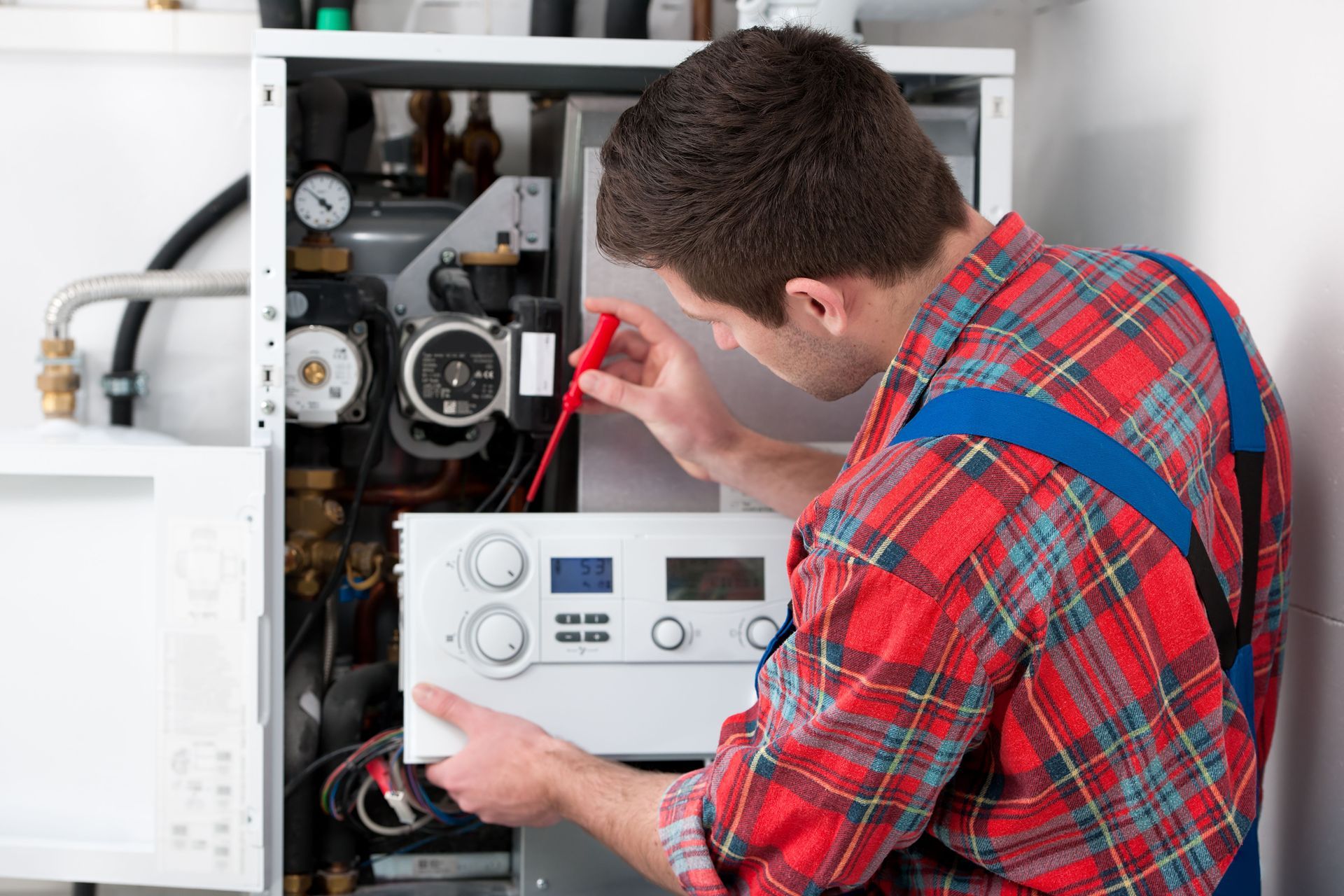
Energy audits are a crucial tool for identifying where your home may be wasting energy, often without you even knowing it. HVAC technicians can perform comprehensive evaluations, examining everything from ductwork to the age and condition of your HVAC equipment. Many household inefficiencies remain invisible until they are specifically targeted by a professional, and these audits help uncover those hidden weak spots. By addressing these inefficiencies, not only can you improve your home's comfort, but you may also significantly reduce your energy bills. According to FieldEx, nearly 50% of the world's final energy consumption is used for heating and cooling. Improving efficiency can also contribute to global energy conservation efforts.
Smart thermostats have revolutionized how homeowners interact with their HVAC systems. These devices allow you to program and control your home's temperature remotely, making them ideal for optimizing energy use according to your schedule. Smart thermostats often include features such as learning your preferences and adjusting accordingly, which can lead to significant savings over time. They also provide valuable insights into your energy consumption patterns, helping you make more informed choices about heating and cooling. By controlling the precise operation of your HVAC system, these devices significantly reduce wastage and improve efficiency.
Indoor Air Quality is Often Overlooked
Indoor air quality significantly influences health, yet it is frequently overlooked by homeowners. Poor indoor air quality can exacerbate allergies, asthma, and other respiratory conditions, often due to pollutants trapped inside or produced by various sources such as cooking, cleaning agents, and building materials. HVAC systems play a critical role in regulating air quality by filtering and cycling air throughout the home. By maintaining proper filtration and air circulation, these systems can actively contribute to healthier living environments. Taking steps to ensure your HVAC system promotes good air quality can make a big difference in your household's overall well-being.
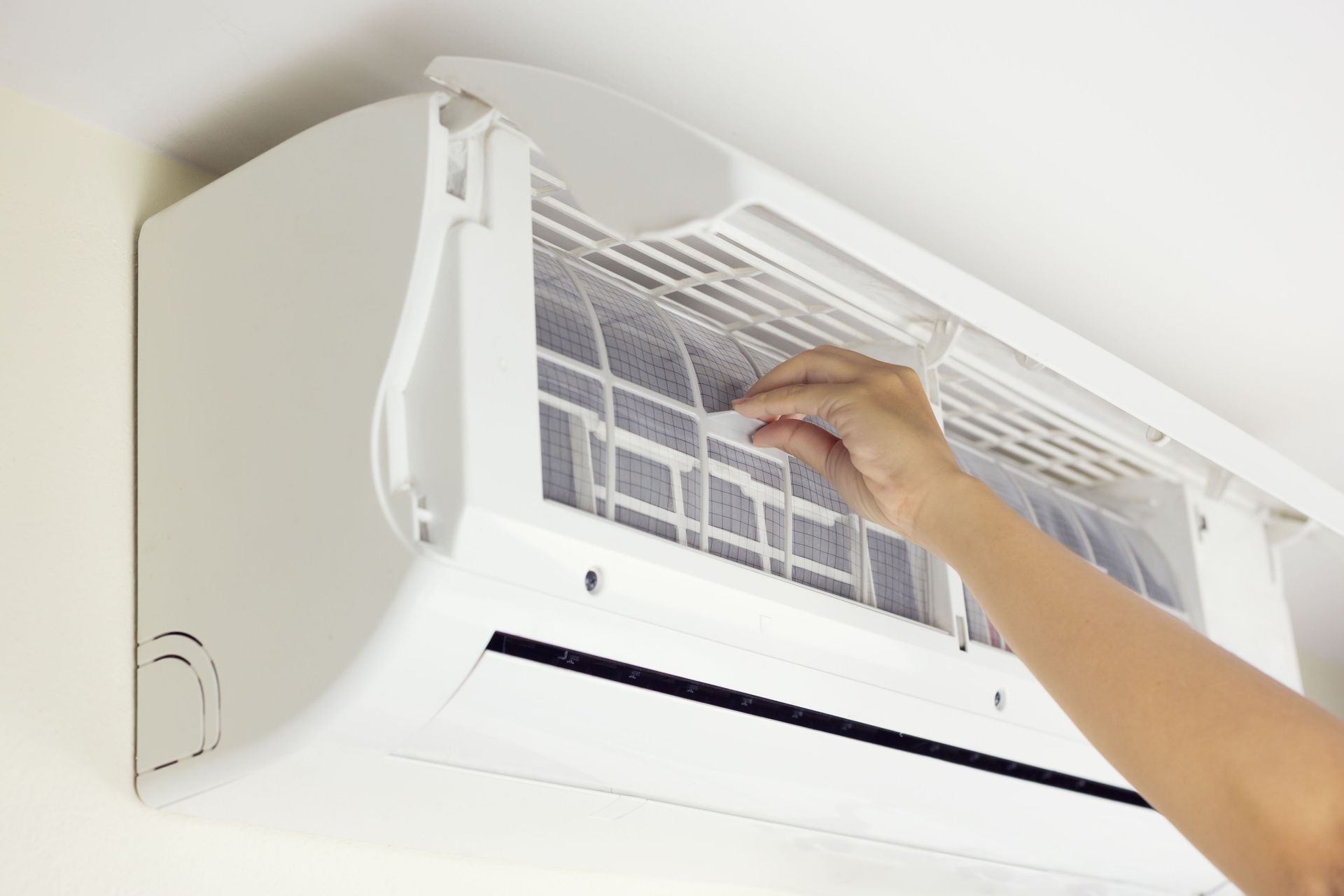
Regular replacement of air filters is essential to maintain efficient HVAC operation and good air quality. Dirty filters restrict airflow, forcing the system to work harder to maintain desired temperature levels. This unnecessary strain can lead to system wear and increased energy consumption, not to mention it compromises air quality by allowing dust and particles to remain airborne. By replacing filters regularly, you ensure the continuous filtration of fine particles, helping to maintain a cleaner living environment. Filter replacement is a simple maintenance task with profound implications for efficiency and comfort.
The Lifespan of HVAC Systems Can Be Extended
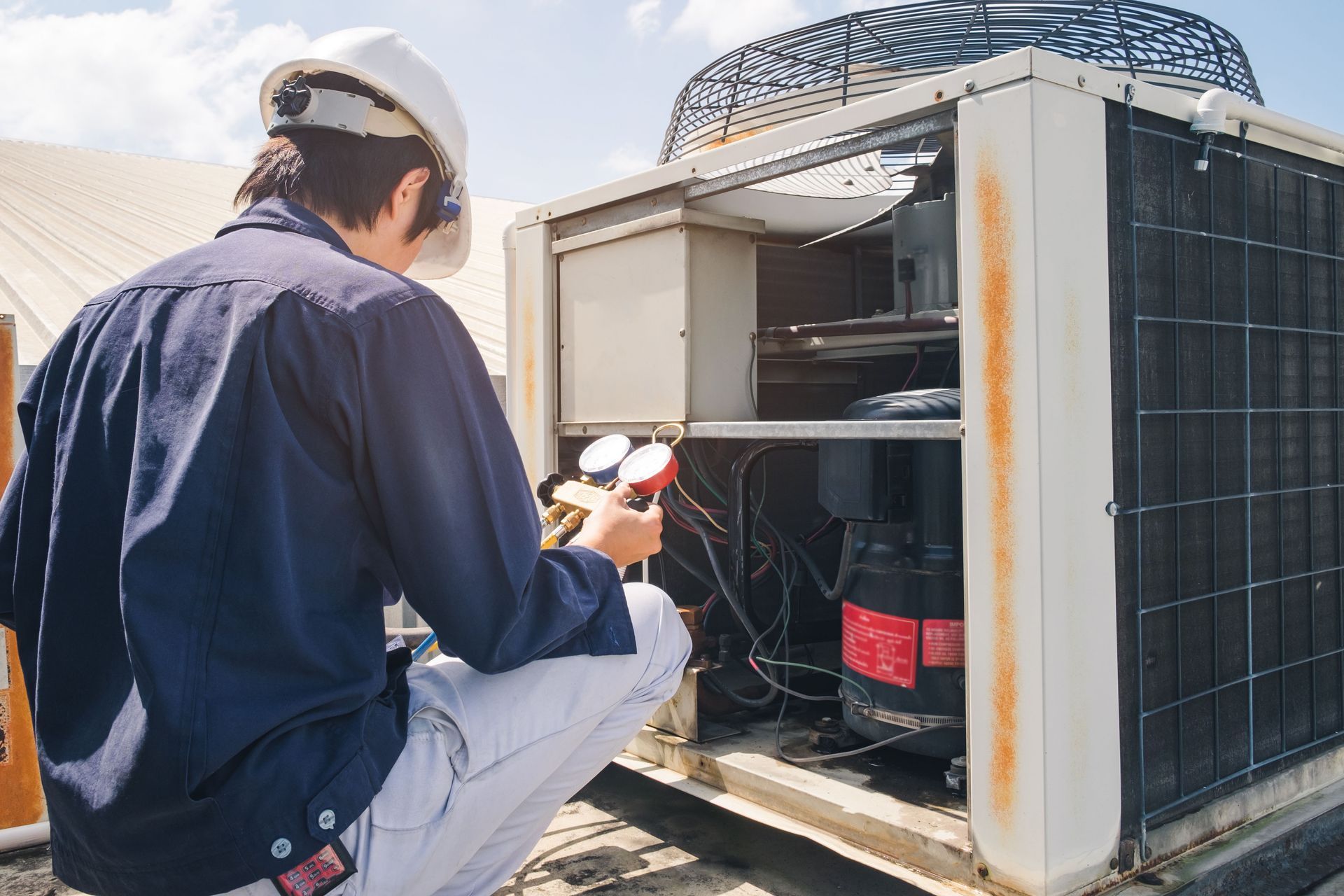
Preventative maintenance is key to extending the lifespan of HVAC systems. Routine inspections and servicing can pinpoint potential issues before they escalate into costly repairs or complete system failures. Regular maintenance involves checking system controls, lubricating moving parts, and ensuring optimal refrigerant levels to keep the system running efficiently. This approach not only enhances system longevity but also contributes to optimal performance, ensuring comfort and reducing operational costs. Consistent care extends the usable life of HVAC equipment significantly, offering savings in both time and money over the long term.
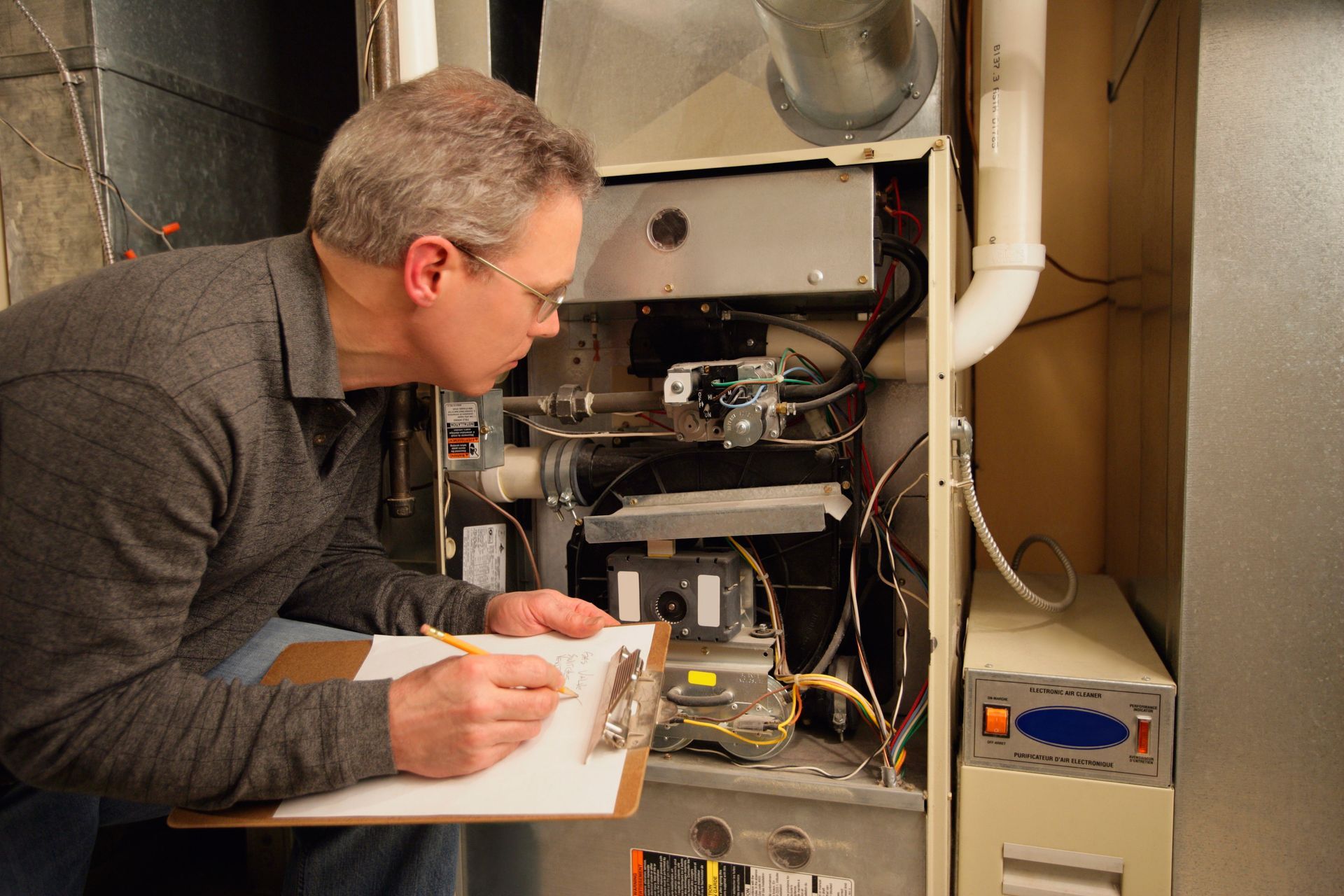
Homeowners should be aware of the signs indicating the need for an HVAC system tune-up. These might include inconsistent temperatures, unusual noises, or increased utility bills without a clear explanation. Addressing these issues promptly with a professional tune-up can prevent more severe problems down the line. A tune-up typically involves cleaning components, checking connections, and recalibrating the system to ensure efficient operation. Keeping an eye out for these signs can help maintain system health and avoid unexpected breakdowns.
Duct cleaning is often undervalued yet plays a significant role in HVAC efficiency and longevity. Dust and debris accumulate in ductwork over time, which can restrict airflow and force the system to expend more energy to maintain comfort levels. Clean ducts help maintain better indoor air quality and prevent unnecessary wear on system components. A regular duct cleaning regime ensures your HVAC system powers through each season effectively, reducing the likelihood of wear and tear. This simple maintenance step translates to noticeable enhancements in energy efficiency and system lifespan.
HVAC Innovations are Constantly Evolving
The HVAC industry continuously evolves with many emerging technologies designed to increase efficiency and reduce environmental impact. Modern systems integrate artificial intelligence and adaptive algorithms to better control system operations, learning and adjusting to your preferences over time. Advanced sensor technologies enable real-time monitoring and diagnostics, allowing for immediate performance adjustments. The focus remains on maximizing energy efficiency and minimizing environmental footprints, driving innovation in design and functionality. Understanding these advancements can guide homeowners to make educated decisions when upgrading or replacing HVAC systems.
Variable Refrigerant Flow (VRF) systems represent a leap in HVAC technology, boasting significant energy efficiency and flexibility. These systems adjust refrigerant flow to match the exact heating or cooling load in each specific zone, thereby optimizing energy use across different areas of a building. VRF systems are particularly advantageous for their ability to simultaneously heat and cool different parts of a building. This flexibility provides enhanced comfort and allows significant utility savings by reducing unnecessary energy consumption. VRF systems epitomize how emerging technologies are enhancing HVAC efficiency and performance.
The Internet of Things (IoT) has introduced substantial enhancements in HVAC performance through interconnected devices. IoT-enabled HVAC systems facilitate real-time data collection and remote control, leading to optimized energy management and predictive maintenance. The integration allows for enhanced monitoring of system performance, improving the ability to react to inefficiencies and issues before they escalate. With IoT, homeowners can precisely manage energy consumption, tailoring systems to fit daily schedules and seasonal changes effectively. The impact of IoT is a sea change in how HVAC systems are operated, resulting in smarter, more efficient homes.
The Role of HVAC Systems in Home Comfort
Temperature zoning divides your home into different areas, each with its own temperature controls, providing personalized comfort throughout. This system uses dampers in air ducts or separate HVAC units to adjust the temperature in distinct zones, reducing energy waste. Homeowners can customize temperatures based on usage patterns, ensuring that seldom-used areas consume less energy. Zoning maximizes overall comfort while allowing for significant energy savings by tailoring heating and cooling to specific needs. This customization capability underscores the relationship between personal comfort and energy efficiency in modern HVAC solutions.
Ambient temperature can profoundly affect mood, productivity, and overall well-being, making the role of HVAC systems in regulating indoor temperature critical. Research shows that slightly cooler temperatures can improve concentration and productivity, while excessively warm environments contribute to fatigue and irritability. HVAC systems set to optimal temperatures create environments conducive to comfort and efficiency in both work and leisure activities. Understanding the psychological effects of temperature helps in setting up a home environment that supports daily routines and reduces stress. Proper temperature management is thus vital for creating a pleasant living space that promotes mental health and productivity.
By embracing the knowledge shared by your local HVAC company, you can enhance efficiency, improve air quality, extend system lifespan, embrace new technologies, and save money. Taking a proactive approach to maintenance, system upgrades, and smart thermostat integration ensures that your home remains comfortable year-round. Partnering with experienced professionals also helps you identify potential issues early, preventing costly repairs and unexpected breakdowns. Ultimately, a well-maintained HVAC system is not just about heating and cooling; it's about creating a healthier, more comfortable, and energy-conscious home environment for you and your family. For more information about the services that we offer, reach out to our incredible team at Air Specialty Heating & Air Conditioning today!