April 21, 2026
The HVAC industry faces significant changes as environmental regulations phase out hydrofluorocarbons, requiring widespread adoption of alternative refrigerants throughout residential and commercial systems. Many homeowners remain unaware of these regulatory changes and how they affect existing equipment, future repairs, and replacement decisions. Understanding how professionals are adapting to refrigerant transitions helps you make informed decisions about system maintenance and replacement timing. The difference between being prepared and caught off guard often comes down to understanding what's changing and when. Learning how the industry is responding empowers you to navigate this transition smoothly without unexpected costs or service disruptions.
Transitioning to Alternative Refrigerants
According to How Stuff Works, the EPA considers Freon refrigerant and hydrochlorofluorocarbons ozone-depleting substances, which means they contribute significantly to depletion. New refrigerants, including R-32 and R-454B, offer lower global warming potential while maintaining performance comparable to traditional options being phased out. These alternatives require different handling procedures, equipment modifications, and safety protocols that technicians must learn before working with new systems. The refrigerant transition that regulations mandate forces industry-wide changes affecting equipment design, service procedures, and technician training throughout the sector. A forward-thinking air conditioning company invests in technician training on alternative refrigerants, ensuring staff understand proper handling, safety requirements, and performance characteristics. They update equipment and tools for new refrigerants, stock appropriate materials, and prepare for the transition before it becomes urgent. The preparation they undertake ensures seamless service continuity as refrigerant availability shifts from traditional to alternative options throughout the coming years.
Updating Equipment and Service Tools
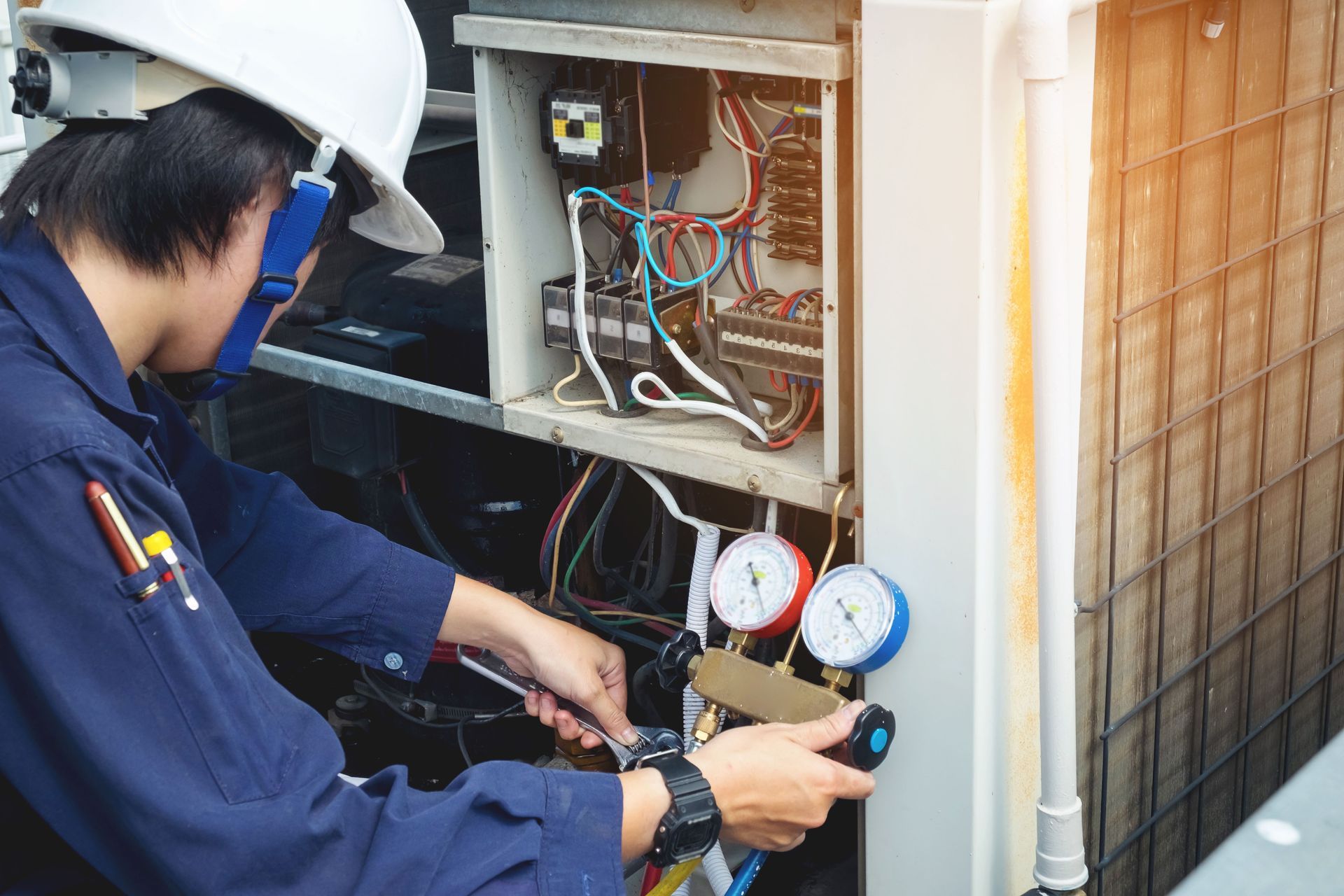
New refrigerants require dedicated recovery machines, gauges, and charging equipment, preventing cross-contamination between different refrigerant types during service work. This equipment investment proves substantial, as companies must purchase separate tools for each refrigerant type they service throughout their operations. The tool segregation that regulations require prevents contamination that would compromise both system performance and environmental compliance during service activities. A well-equipped air conditioning company purchases specialized equipment for alternative refrigerants, maintaining separate tool sets, preventing cross-contamination during service and maintenance. They invest in recovery machines, charging stations, leak detectors, and diagnostic equipment designed specifically for new refrigerants entering the market. The equipment investment they make ensures the capability to service both existing and new systems properly throughout the transition period.
Training Technicians on New Systems
Alternative refrigerants have different pressure-temperature relationships, safety considerations, and handling requirements necessitating comprehensive technician retraining throughout the industry. These educational requirements extend beyond simple refrigerant substitution, as new systems incorporate design changes that service procedures must accommodate. The training investment that companies make ensures technicians possess the knowledge and skills that safe, effective service of new systems requires. A professionally run air conditioning company provides extensive training, ensuring technicians understand alternative refrigerant properties, safety requirements, and service procedures for new equipment. They send staff to manufacturer training programs, conduct in-house education, and ensure everyone meets certification requirements for working with alternatives. The training commitment they demonstrate prepares teams for the transition, ensuring competent service regardless of which refrigerant systems they contain.
Educating Customers About Changes
Many homeowners don't understand refrigerant phaseouts or how changes affect their existing equipment, future repairs, and replacement timing decisions. This knowledge gap creates confusion when refrigerant costs rise or become unavailable for older systems requiring service during the transition. The customer education that proactive companies provide helps homeowners understand changes, plan appropriately, and make informed decisions about timing. An educational air conditioning company communicates with customers about refrigerant changes, explaining how phaseouts affect existing systems and when replacement makes sense. They provide clear information about refrigerant availability, cost implications, and how regulatory changes influence repair versus replacement decisions throughout equipment lifespans. The transparency they maintain helps customers understand situations, preventing surprise and confusion when refrigerant issues affect repair options and costs.
Managing Refrigerant Inventory and Reclamation
As production of traditional refrigerants ceases, remaining supplies become increasingly valuable, requiring careful inventory management and conservation throughout usage. Reclaimed refrigerant from retired systems provides sources for servicing existing equipment during transition periods when new production stops. The reclamation focus that regulations encourage makes proper recovery and recycling essential rather than optional during all service work. A resource-conscious air conditioning company maintains refrigerant inventory carefully, balancing current service needs against future availability as production phases out completely. They invest in recovery equipment, capturing refrigerant from all systems serviced, reclaiming and recycling materials rather than venting to the atmosphere. The conservation approach they employ extends refrigerant availability while meeting environmental responsibilities throughout the transition to alternative options completely.
Adapting Installation Practices for New Equipment
New systems designed for alternative refrigerants incorporate different components, configurations, and installation requirements that traditional equipment didn't demand from installers. These changes affect everything from line sizing to evacuation procedures, requiring modified installation practices to ensure proper system function. The installation adaptation that new equipment demands makes updated procedures essential for achieving manufacturer-specified performance and reliability. A quality-focused air conditioning company updates installation procedures for new equipment, ensuring all work meets manufacturer specifications for alternative refrigerant systems. They follow revised guidelines for line sizing, evacuation depths, charging procedures, and startup protocols that new refrigerants require. The installation precision they maintain ensures new systems perform optimally while meeting all warranty requirements throughout equipment lifespans and operation.
Stocking Parts for Transitional Period
During transition periods, companies must stock parts for both traditional and new systems, increasing inventory costs and complexity. This dual inventory requirement proves challenging, as predicting which parts will be needed becomes difficult during the changeover period. The inventory management that transition demands requires careful balancing between having necessary parts available and avoiding obsolete stock. A well-prepared air conditioning company maintains a comprehensive parts inventory for both traditional and new systems, ensuring repair capabilities throughout the transition. They stock components for existing equipment while building inventory for new systems, balancing investment against service needs during changeover. The inventory planning they conduct ensures prompt repairs regardless of which system type requires service during the transition period.
Navigating Pricing and Cost Implications
Refrigerant scarcity drives prices higher as production ceases while demand continues from existing systems requiring service and refrigerant charges. These cost increases affect repair economics, sometimes making replacement more sensible than recharging aging systems with expensive, scarce refrigerants. The pricing reality that transition creates forces difficult decisions about whether repairing older systems makes financial sense compared to replacement. A transparent AC company communicates honestly about refrigerant costs, helping customers understand how pricing affects repair versus replacement decisions during transitions. They provide cost comparisons showing total ownership costs for repairing versus replacing, enabling informed decisions based on actual economic realities. The pricing honesty they demonstrate helps customers make appropriate choices rather than being surprised by refrigerant costs during repair estimates.
Understanding how the HVAC industry is adapting to refrigerant phaseouts helps homeowners navigate changes affecting their systems and service options. The professional preparation that quality companies undertake ensures they can serve customers effectively throughout transitions and beyond regulatory changes. Making informed decisions about system maintenance and replacement timing ensures you benefit from industry transitions rather than being disadvantaged. Whether you need AC services, AC installation, AC maintenance, AC repair, air purifier installation, dehumidifier installation, humidifier installation, emergency heating and air repair, furnace maintenance, heating services, heat pump installation, HVAC zoning, HVAC system evaluation, HVAC test and balance, seasonal maintenance, specialty HVAC services, mini-split installation, thermostat services, smart thermostat installation, ventilation services, custom ductwork, or water heating services, Air Specialty Heating & Air Conditioning offers 24/7 emergency services, provides 0% financing, and gives free estimates. For more information, contact us today!