October 14, 2026
Modern residential and commercial buildings rely extensively on centralized cooling infrastructure to maintain steady indoor temperatures, control humidity, and support healthy air circulation during warmer weather periods. When mechanical or electrical components within a cooling unit experience gradual physical wear, overall system performance degrades, leading to uneven cooling, heightened operational strain, and potential localized equipment failures. Understanding how timely intervention restores equipment function is essential for property managers and homeowners seeking to maintain consistent interior comfort across all living spaces. Prompt air conditioning repairs address minor operational issues before they escalate into major mechanical breakdowns, ensuring that cooling systems run smoothly throughout peak usage periods.
Cooling equipment consists of interconnected mechanical, electrical, and refrigeration sub-assemblies that must function in complete alignment to maintain ideal operating conditions. A malfunction in one area, such as a clogged filter, a failing capacitor, or a slight refrigerant leak, directly impacts surrounding components and forces the entire system to work harder. Through comprehensive diagnostic evaluations and precision component adjustments, skilled technicians isolate the underlying causes of system inefficiency and physical strain. Routine professional maintenance and targeted air conditioning repairs resolve hardware friction, electrical instabilities, and airflow obstructions, allowing property owners to preserve indoor air quality, support consistent temperature distribution, and protect vital cooling assets.
Restoring Airflow Efficiency Across Cooling Components
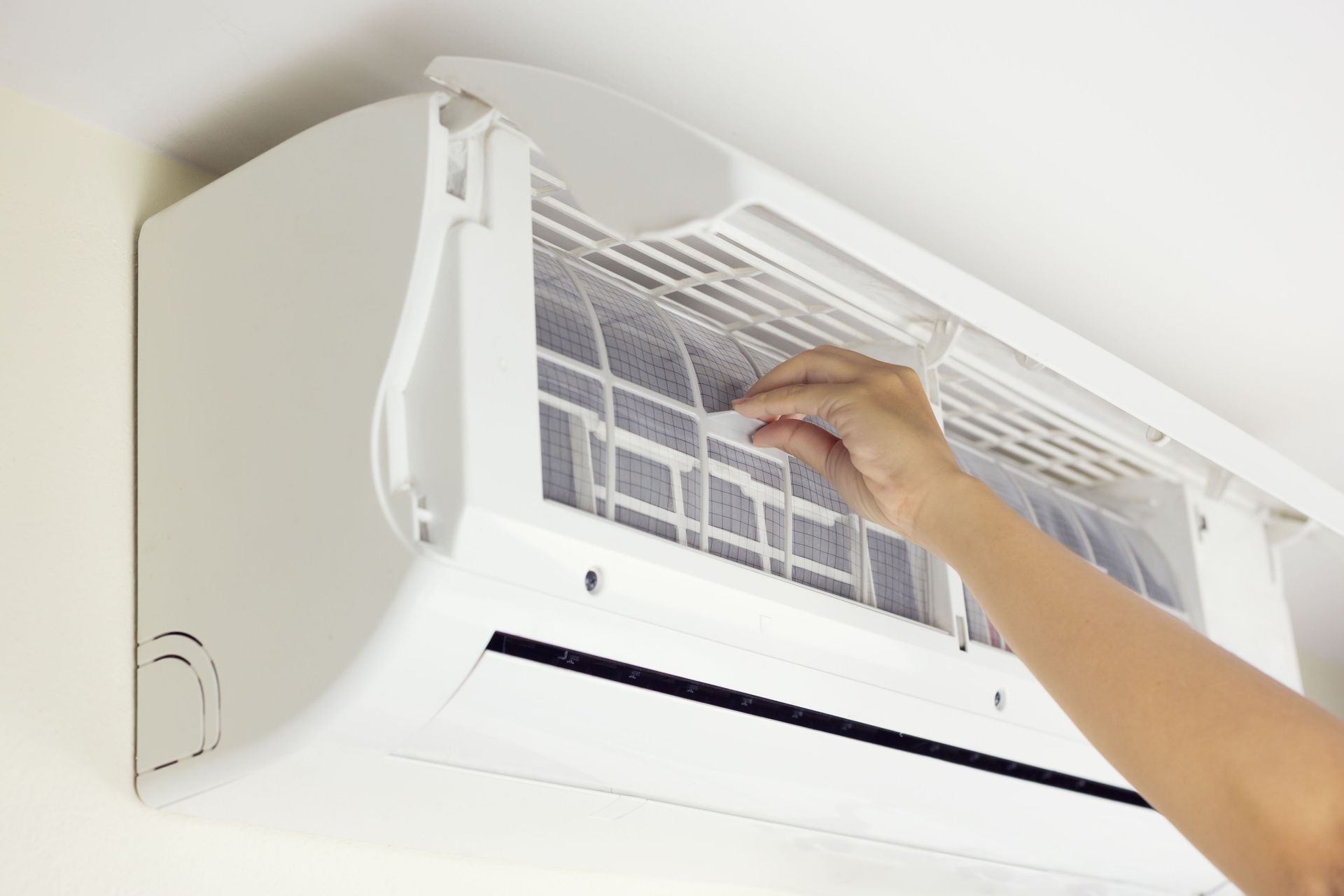
Air circulation serves as the core delivery mechanism for any cooling framework, driving warm interior air across evaporator coils and distributing conditioned air throughout living or working spaces. When dust, debris, or damaged ductwork obstructs this flow, static pressure increases within the air handling unit. This elevated resistance strains blower motors, reduces overall cooling capacity, and can cause evaporator coils to freeze completely over extended operational periods. Executing professional air conditioning repairs restores proper volumetric airflow by clearing blocked filtration media, realigning misaligned blower wheels, sealing ductwork gaps, and repairing leaking supply ducts.
Restoring balanced airflow prevents localized hot spots and ensures consistent temperature management across all interior zones within a building structure. When air moves freely through return and supply plenums, internal heat transfer occurs efficiently, reducing the overall duration of cooling cycles and easing motor loads. Technicians inspect fan motor bearings, adjust belt tensions where applicable, and clean fan blades to eliminate mechanical resistance. Addressing airflow restrictions early preserves motor winding integrity, stabilizes internal static pressures, and prevents unnecessary strain on fan assemblies, enabling the entire cooling apparatus to operate with optimal mechanical smoothness and consistent airflow volume.
Resolving Refrigerant Circuit and Pressure Discrepancies
Refrigerant serves as the heat-absorbing medium that enables cooling systems to extract thermal energy from indoor spaces and discharge it outdoors. When micro-fractures develop in copper tubing or connection fittings lose tight seals, refrigerant levels drop, altering system operating pressures and decreasing cooling output. According to the U.S. Environmental Protection Agency, smaller unitary air conditioners and heat pumps comprised 40% of the calculated installed refrigerant stock evaluated in its 2025 study, representing the single largest equipment classification analyzed. Because these systems account for such a substantial portion of installed cooling infrastructure, maintaining proper refrigerant charge across unitary equipment remains vital for regional environmental safety and overall mechanical reliability.
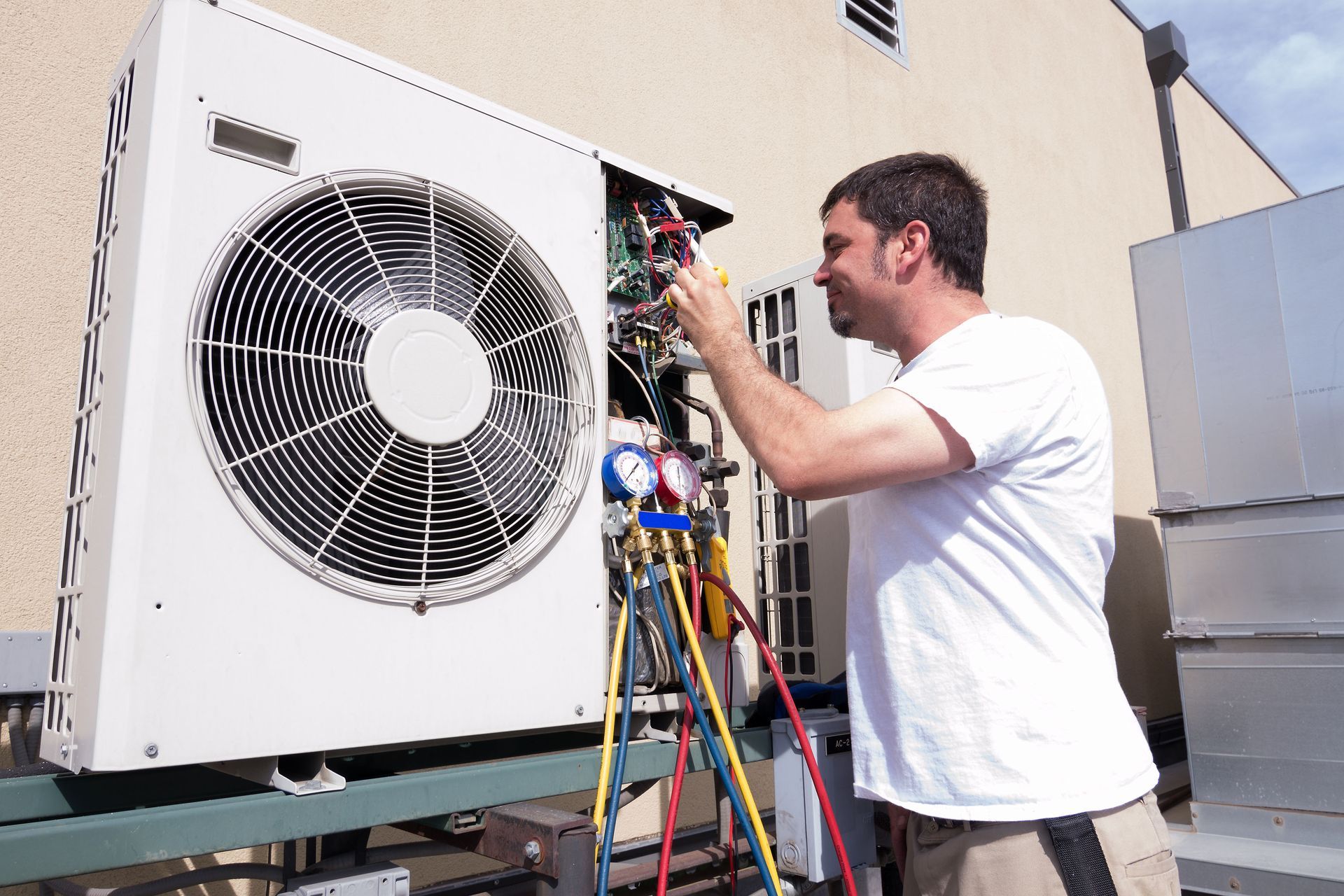
Resolving pressure inconsistencies requires precision diagnostics, electronic leak detection, and exact pressure balancing across the entire closed system loop. Specialized technicians identify microscopic leaks, braze compromised line connections, perform pressure testing, and recharge system loops with exact manufacturer-specified refrigerant volumes. Conducting specialized air conditioning repairs on sealed refrigerant lines prevents compressor overheating, as returning refrigerant vapor cools internal motor windings during continuous operation. Preserving ideal operating pressures protects critical compressor components from thermal overload, prevents oil breakdown inside the circuit, and ensures maximum heat transfer performance across both evaporator and condenser coil assemblies.
Fixing Electrical Control and Distribution Faults
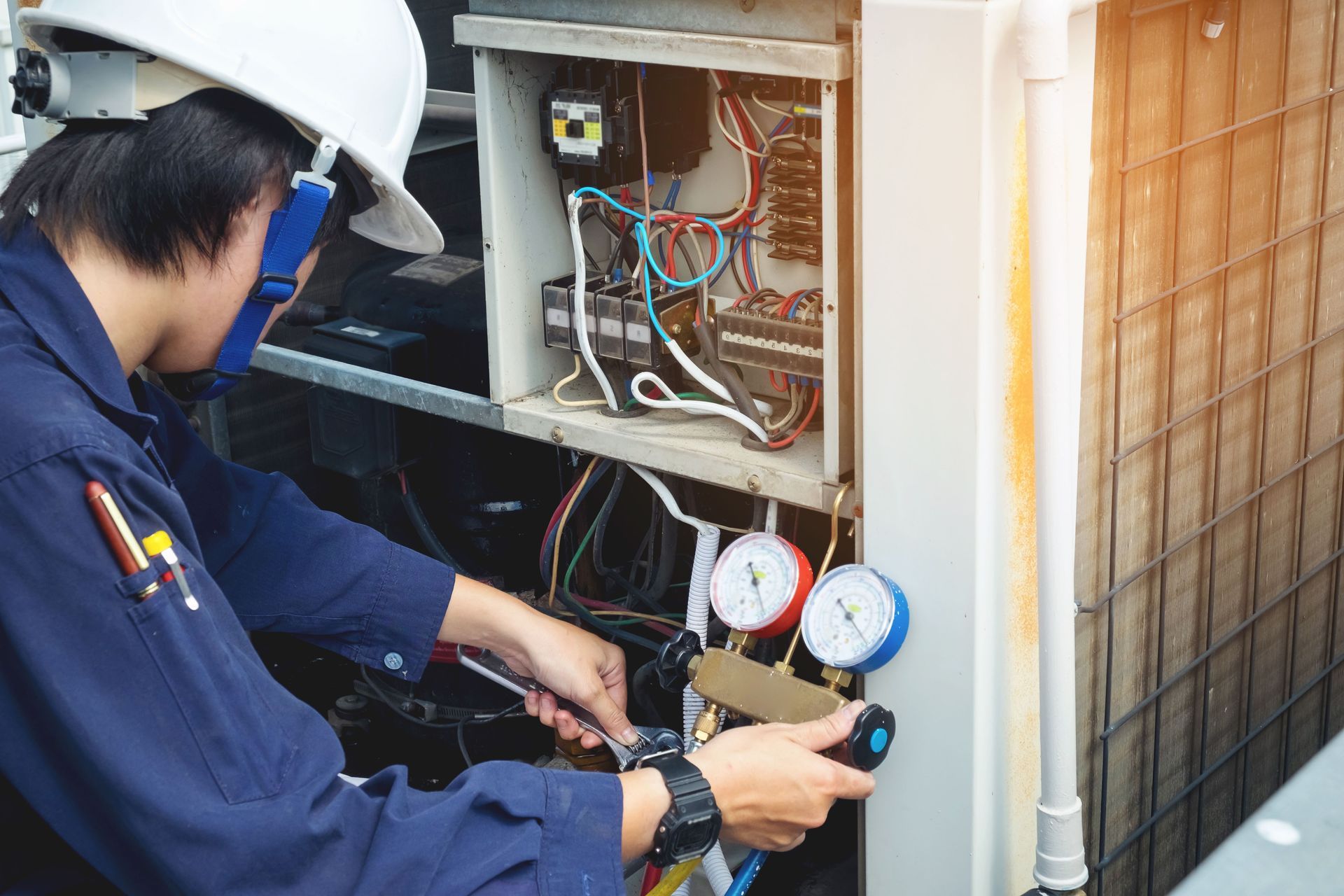
The electrical framework of a cooling unit manages power distribution, system sequencing, and safety shut-off protocols across all active components. High voltage surges, loose terminal connections, and continuous thermal cycling can degrade wiring insulation, pit contactor surfaces, and cause run capacitors to lose electrical capacitance. When electrical components fail, compressors may struggle to start, fan motors can overheat, or system control boards may trip repeatedly during operation. Performing targeted air conditioning repairs on control circuits involves replacing worn contactors, installing rated capacitors, securing loose terminal blocks, and repairing damaged wiring to restore stable electrical pathways.
Addressing electrical issues promptly safeguards sensitive microprocessors and prevents catastrophic motor failures across the entire unit. Technicians measure voltage drops, check amperage draws against manufacturer specifications, and inspect control relays for pitting or carbon buildup. Replacing compromised electrical parts eliminates intermittent system shut-offs and ensures that starting components receive proper electrical current during startup cycles. Maintaining clean, secure electrical connections reduces resistance heat, extends component longevity, prevents localized wiring shorts, and ensures dependable operation during extreme ambient weather conditions throughout the summer.
Mitigating Condensate Drainage and Moisture Accumulation
Dehumidification is a natural byproduct of the cooling process, as warm, moist air contacts cold evaporator coils and condenses into liquid water. This moisture drains into a primary condensate pan and travels through PVC piping to an exterior drain location or sump pump assembly. Over time, algae growth, airborne dust accumulation, and organic sludge can obstruct drain lines, causing condensate pans to overflow into surrounding interior building structures. Comprehensive air conditioning repairs clear stubborn drain blockages using pressurized air, flush drain lines with anti-microbial treatments, clean primary drain pans, and install safety float switches to prevent water spillage.
Proper moisture management prevents localized water damage, structural timber decay, and indoor mold growth beneath air handling units. Technicians verify that drain lines maintain correct pitch angles for gravity flow, clear secondary drain ports, and inspect secondary overflow pans for corrosion or standing water. Installing calibrated safety float switches ensures that system operation halts automatically if drain lines become blocked, protecting ceiling materials, flooring, and drywall from unexpected flooding. Keeping condensate systems clear and fully functional maintains indoor environmental health and prevents severe property damage associated with excess humidity accumulation inside the property.
Extending Operational Service Life for Mechanical Hardware
Mechanical components inside cooling equipment undergo continuous physical strain, thermal expansion, and rotational friction during active cooling seasons. Without timely component replacements and lubrication adjustments, minor mechanical wear on bearings, fan blades, compressor mounts, and isolation dampeners can accelerate, causing severe vibration and premature equipment failure. Engaging in proactive air conditioning repairs addresses mechanical wear early by replacing worn bearings, balancing rotating fan assemblies, securing loose motor mounts, and installing vibration dampeners that isolate motor movement from surrounding cabinetry.
Extending the functional lifespan of cooling hardware reduces the frequency of major capital equipment replacements and minimizes unplanned operational downtime during peak summer months. Technicians inspect structural casings for corrosion, align motor shafts, inspect fan shrouds, and verify that mounting brackets remain securely fastened to vibration-absorbing pads. Addressing mechanical looseness and physical wear keeps internal assemblies operating quietly and smoothly, preventing excessive kinetic stress from transferring to refrigerant lines and electrical harnesses. Preserving mechanical alignment protects the structural assembly for long-term operational resilience and consistent indoor comfort for property owners.
Maintaining high-performing cooling equipment requires a systematic approach to diagnosing airflow bottlenecks, resolving electrical irregularities, preserving refrigerant levels, and managing condensate drainage effectively. Timely mechanical interventions prevent minor component degradation from compounding into major system disruptions, ensuring consistent indoor air quality and reliable temperature control throughout demanding weather conditions. If you are ready for dependable indoor comfort and optimal equipment performance, contact us at Air Specialty Heating & Air Conditioning today. We will help you maintain a reliable cooling environment for years to come.